

The Sabi Sands —six nights, seven leopards, and a lifetime of memories
Note: Since it takes me forever to process my images, I might update the images on this post from time to time.
The word safari has its roots in the Swahili word “safara”, which is “to travel”. While the modern photo safari is all about “shooting” animals with a camera, as against a rifle, safaris are also about the experience that surrounds your photographs. Much like any other travel, the company of people you love makes a good safari great. The safari is as much about the banter, the stories, and the gift of time in the bush, as it is about epic animal encounters.
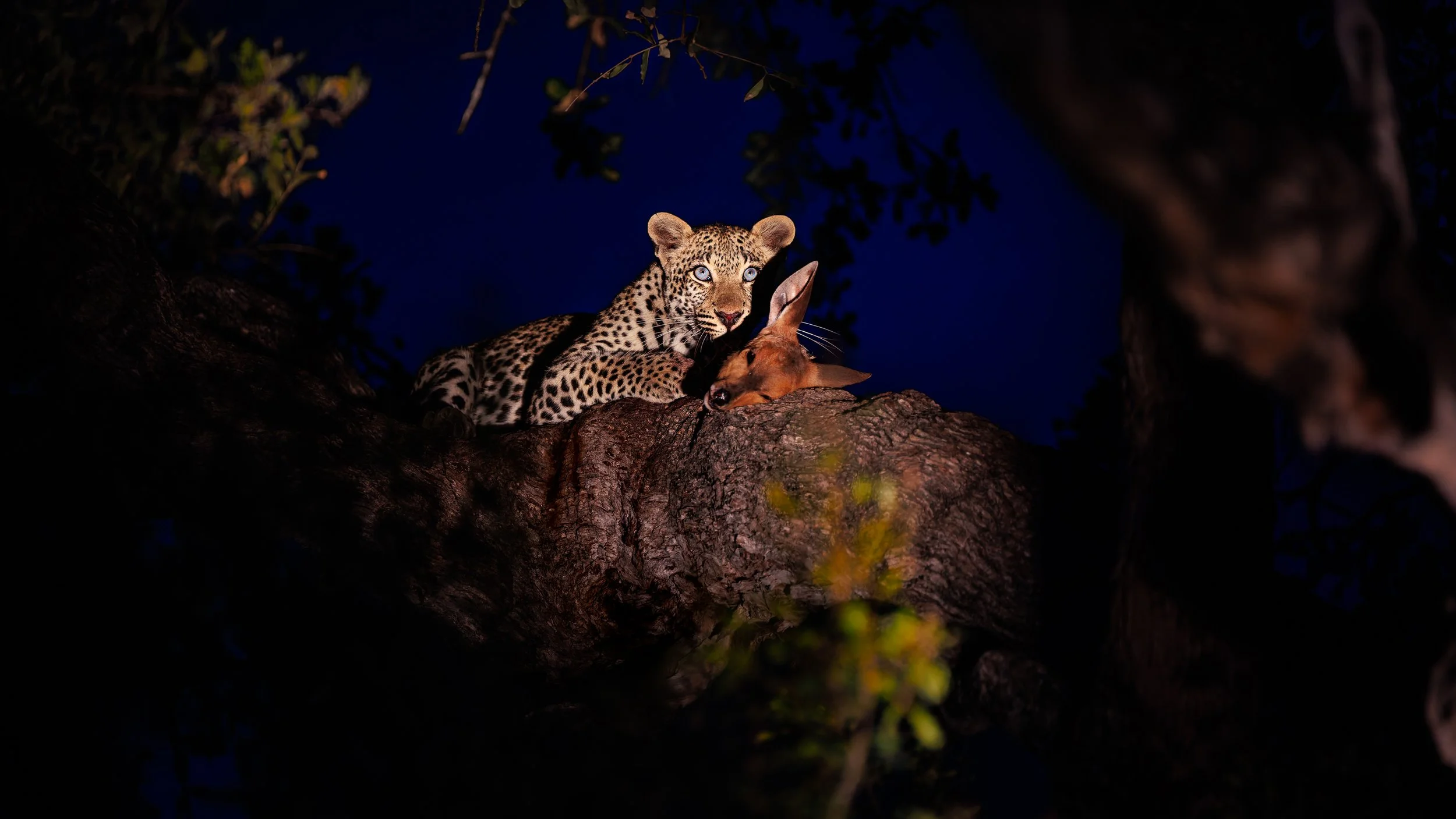
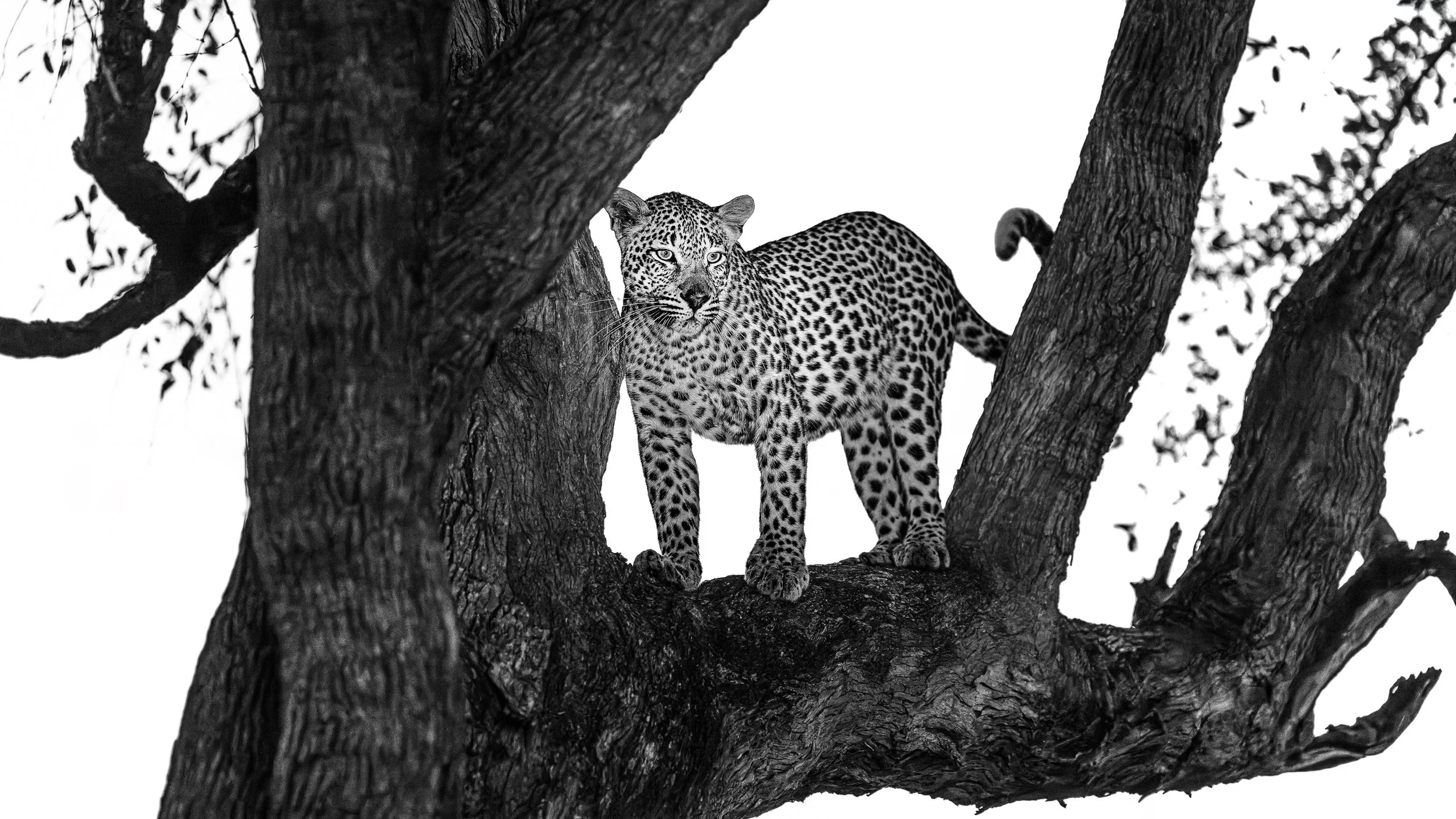
I’ve just returned from a 6-night photo safari in the Sabi Sand Game Reserve. Yes, we saw the big five. Yes, the leopard sightings were brilliant — we saw seven different leopards, with sightings of this spotted cat in 11 out of our 12 game drives. Big herd of buffalo? Check. Elephants? Check. Rhinos? Sure. But you know what? My heart feels fuller because of the people I was with. That, perhaps, is the headline of my Sabi Sands experience.
An organised photo tour? Really?
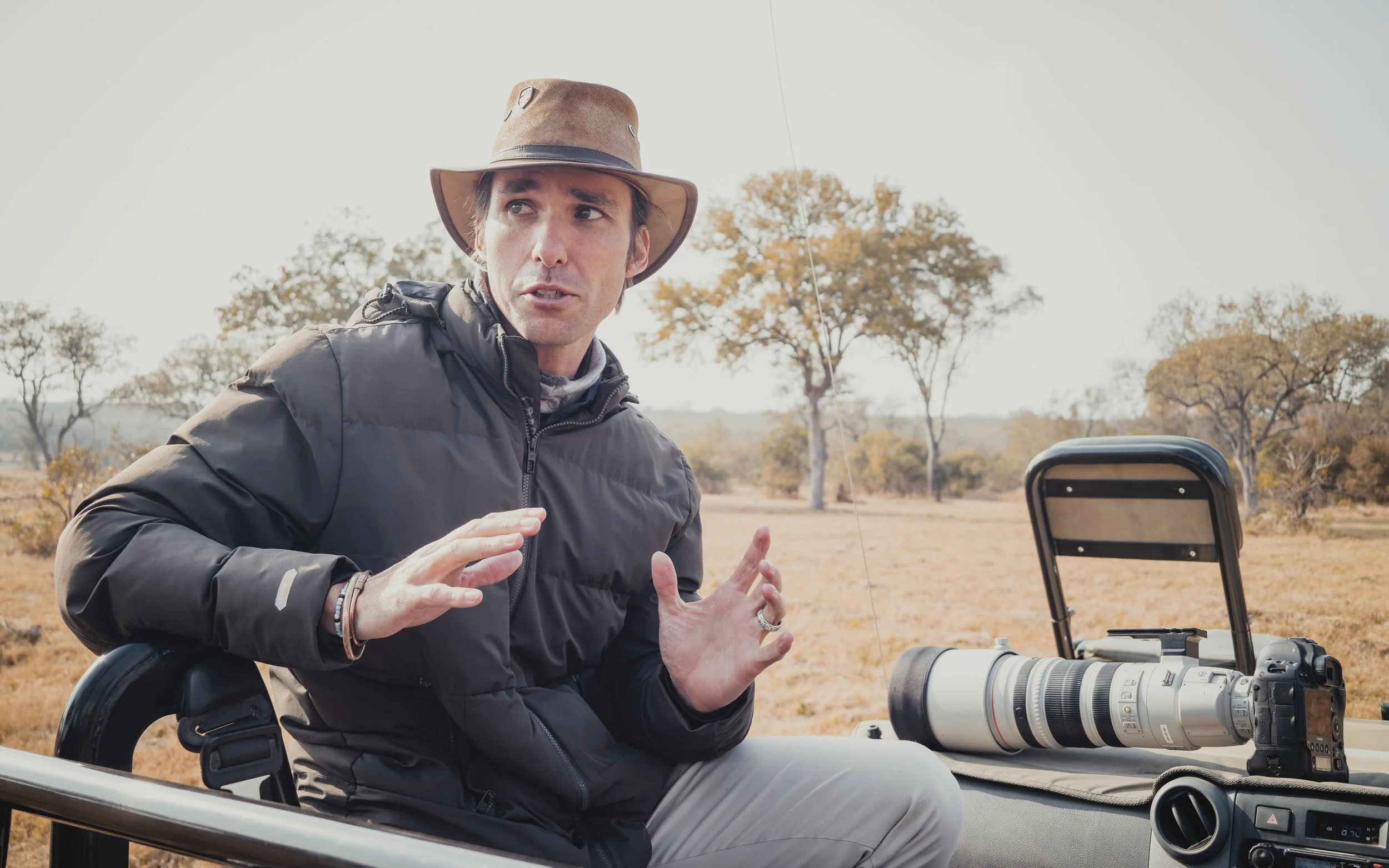
Before I tell you more, I must confess that I'm not a fan of organised photo tours. This one was different, mostly because of the host — Armand Grobler of Rhulani Photo and Film. He's the best photo host I've worked with, full stop. His field craft shows in his images and his books, but what sets him apart is simpler: he puts his guests ahead of his own shots.
He spends hundreds of days a year in the African bush, and it shows. I still catch myself gawping at sightings after years of visiting Africa. Armand's eyes have moved past that, straight to what's worth noticing. He's good company too — funny, reflective, a natural storyteller. And it's never about him. No cross-selling, no upselling. The spotlight stays on the staff, the tracker and the guide.
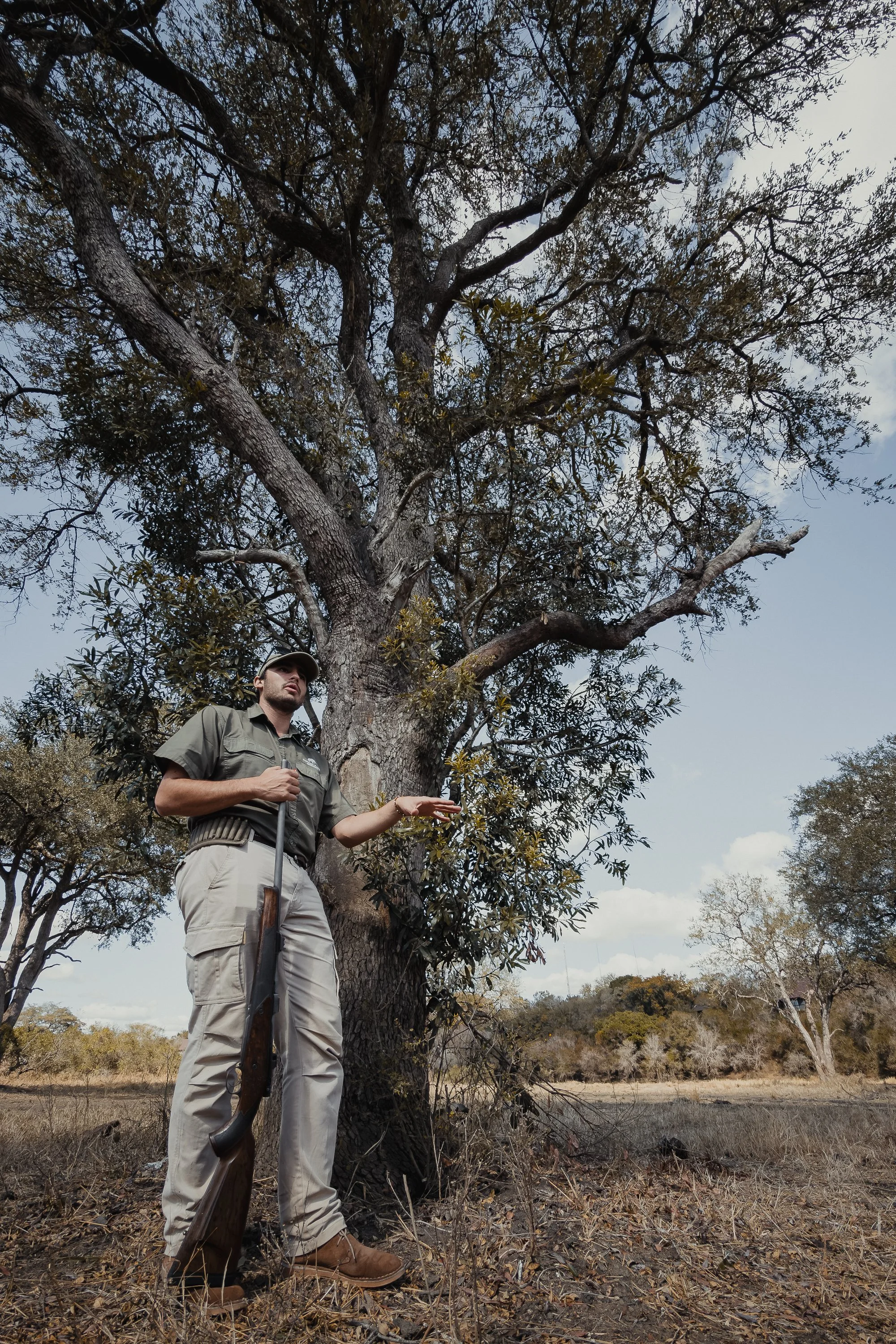
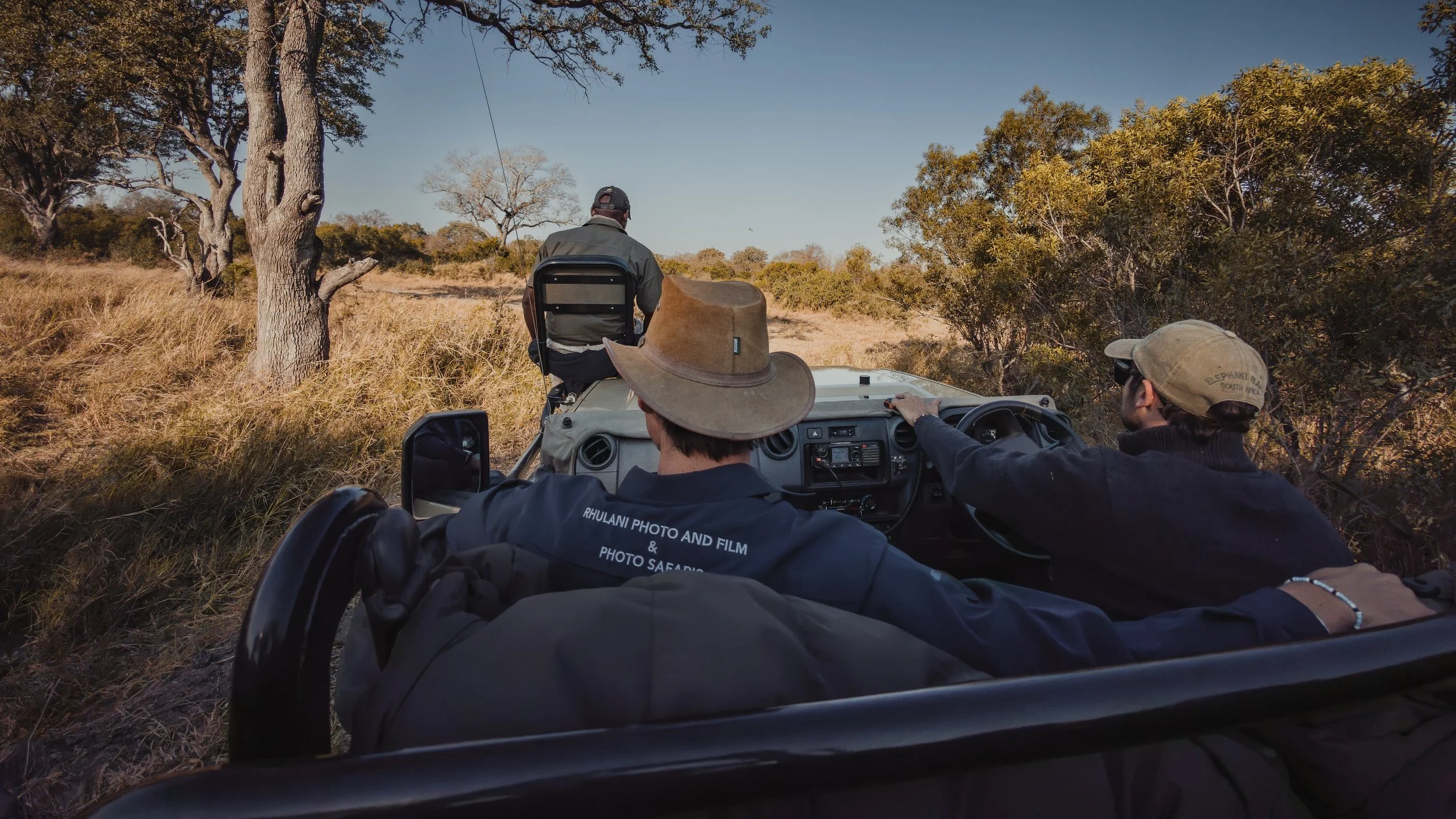
Speaking of guides, our guide Jordan Delvecchio deserves a mention too. The man is a legend. He’s spent seven years working in the Kruger ecosystem, and three and a half of those years have been at Elephant Plains. Don’t let his boyish good looks fool you. Being on safari with him was one of the most educational experiences I’ve had in years. Guiding isn’t just about positioning the car for the best photo angle, though Jordan’s an ace at that. It’s also about interpreting tracks, calls and animal behaviour for visitors like me. Jordan does it all with skill, sophistication, and care.
Elephant Plains — a perfect home to explore the Sabi Sands
I loved staying at the Elephant Plains. On one hand, it was a good way to lure my friends and family to join me. On the other, the lodge has access to a solid traverse in the Sabi Sands. You see, all lodges in the reserve aren’t the same. The size of a lodge’s traverse decides how much habitat you can cover, and habitat determines what you see.
Small traverses lock you into smaller predator territories. In some of these traverses, predators pass through without staying long, which affects how productive your game drives are. The bigger the traverse, the more variety of game you see, and the more likely it is to cover the territory of multiple predators.
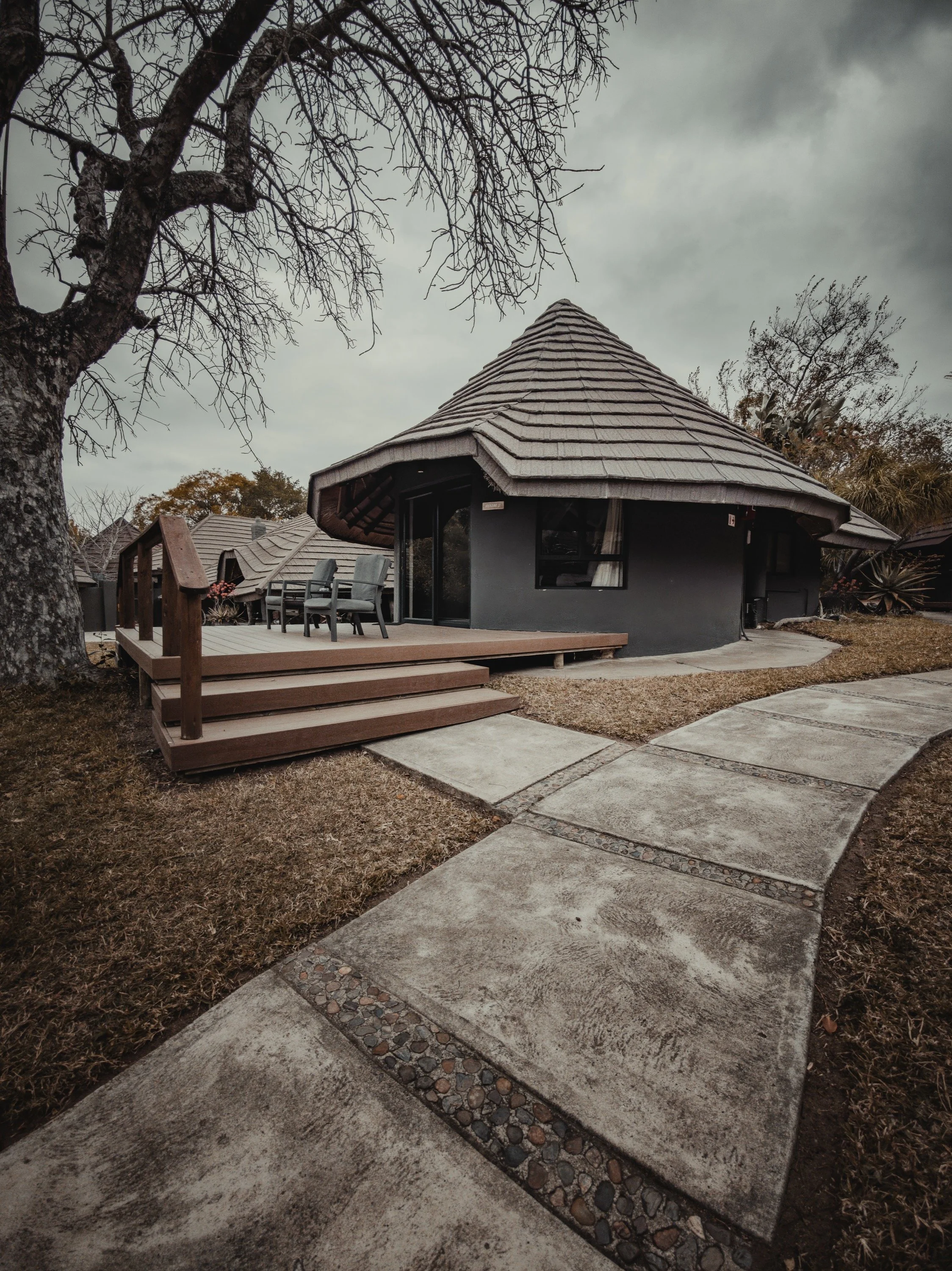
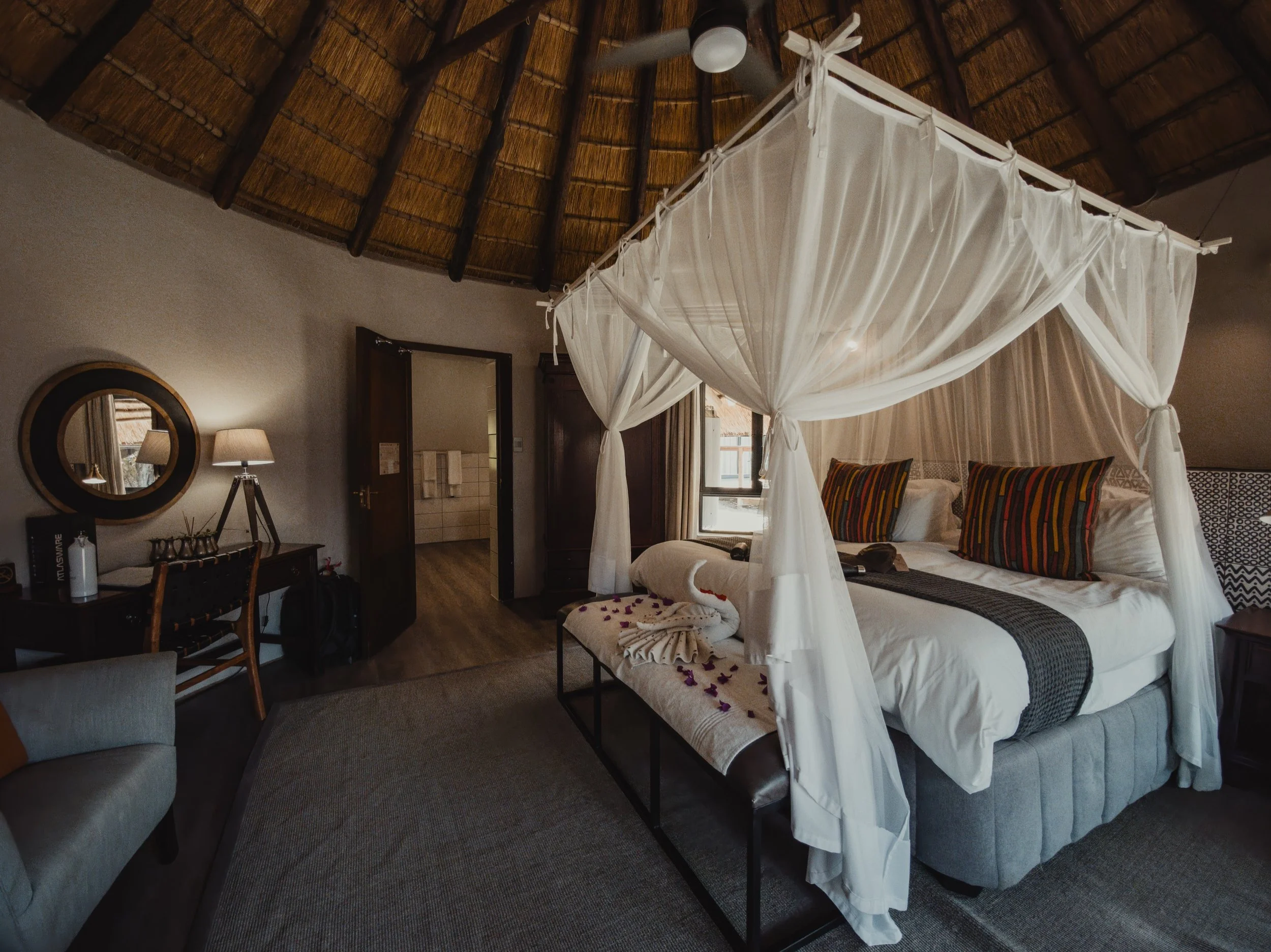
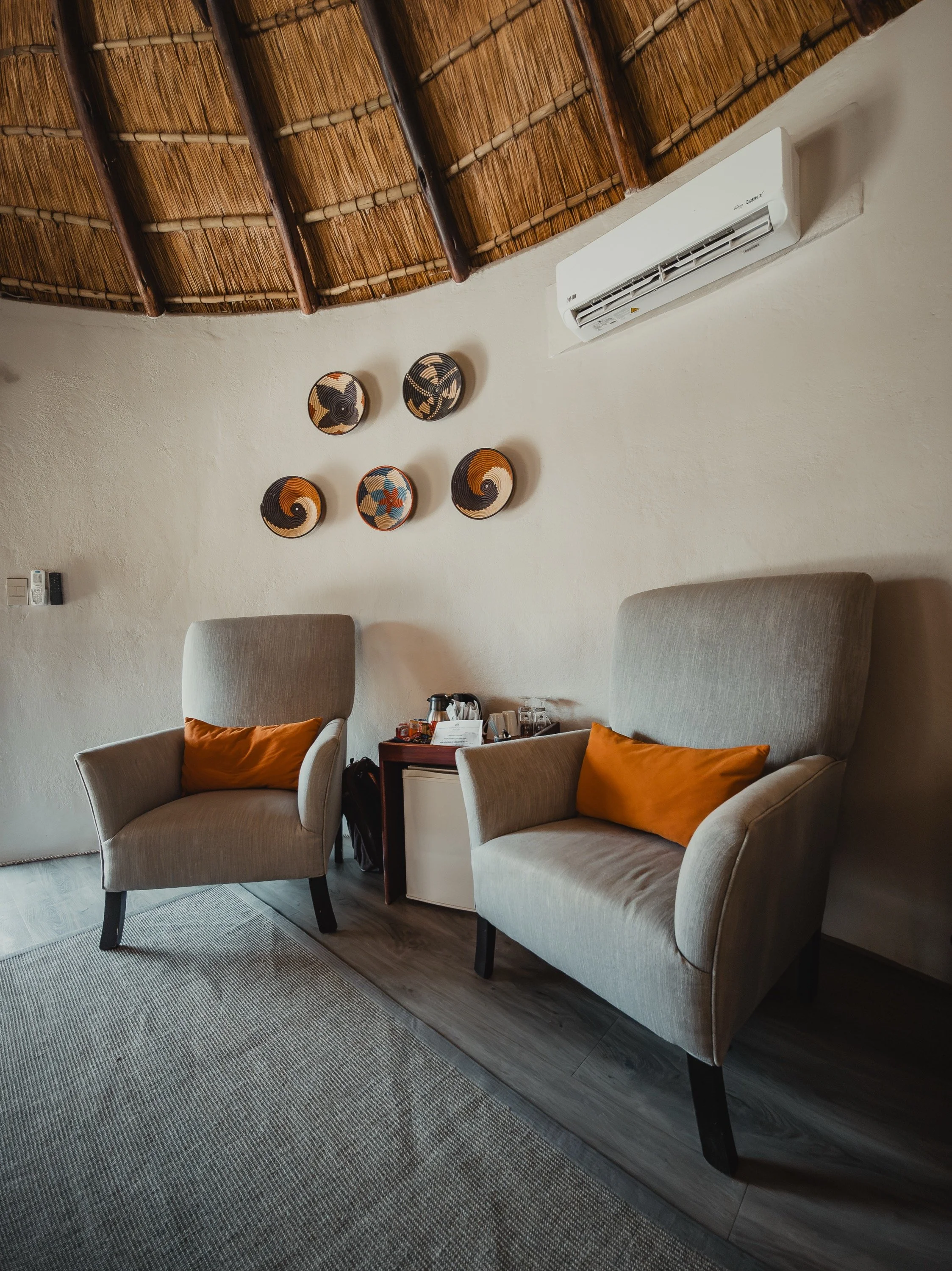
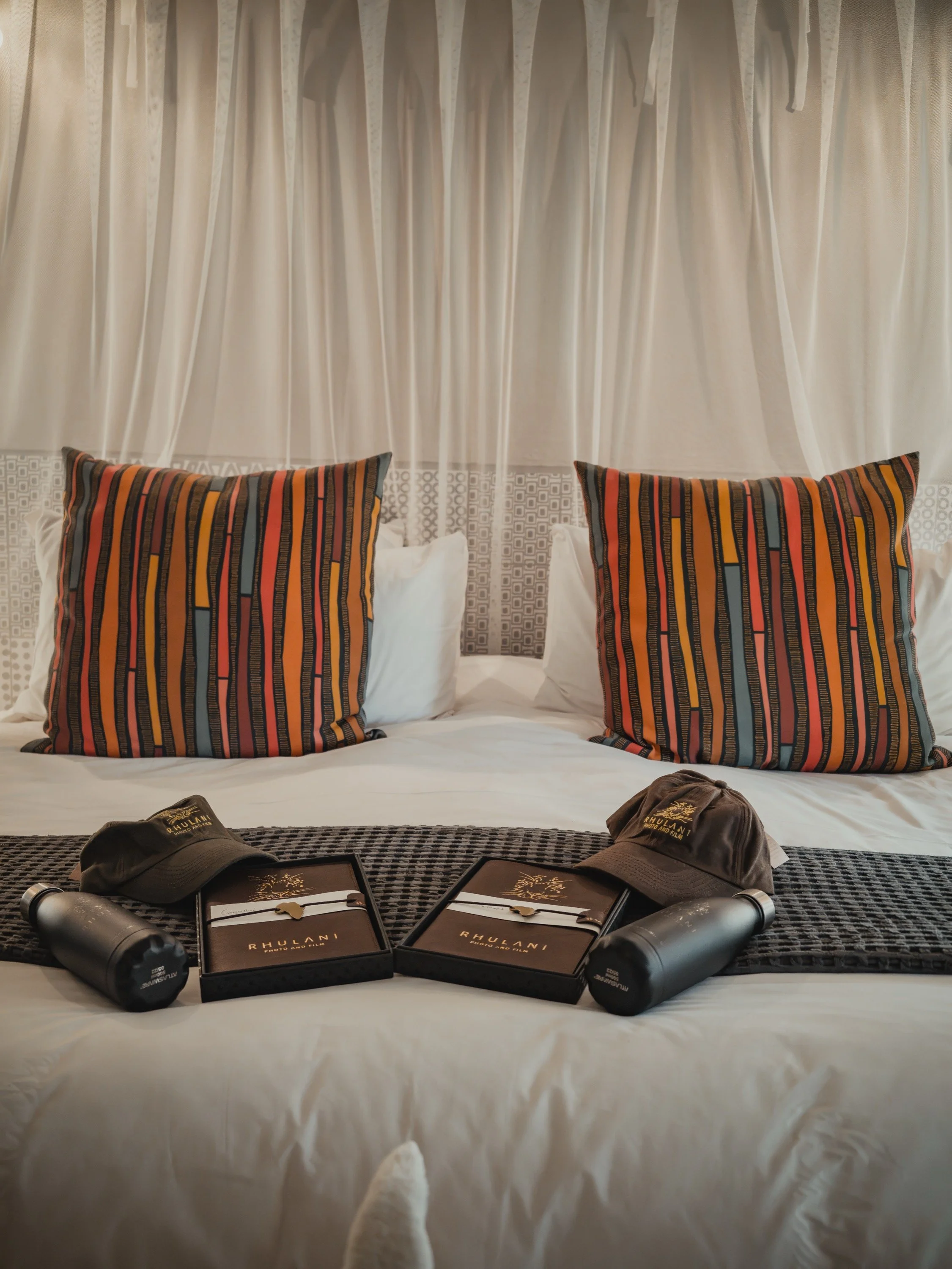
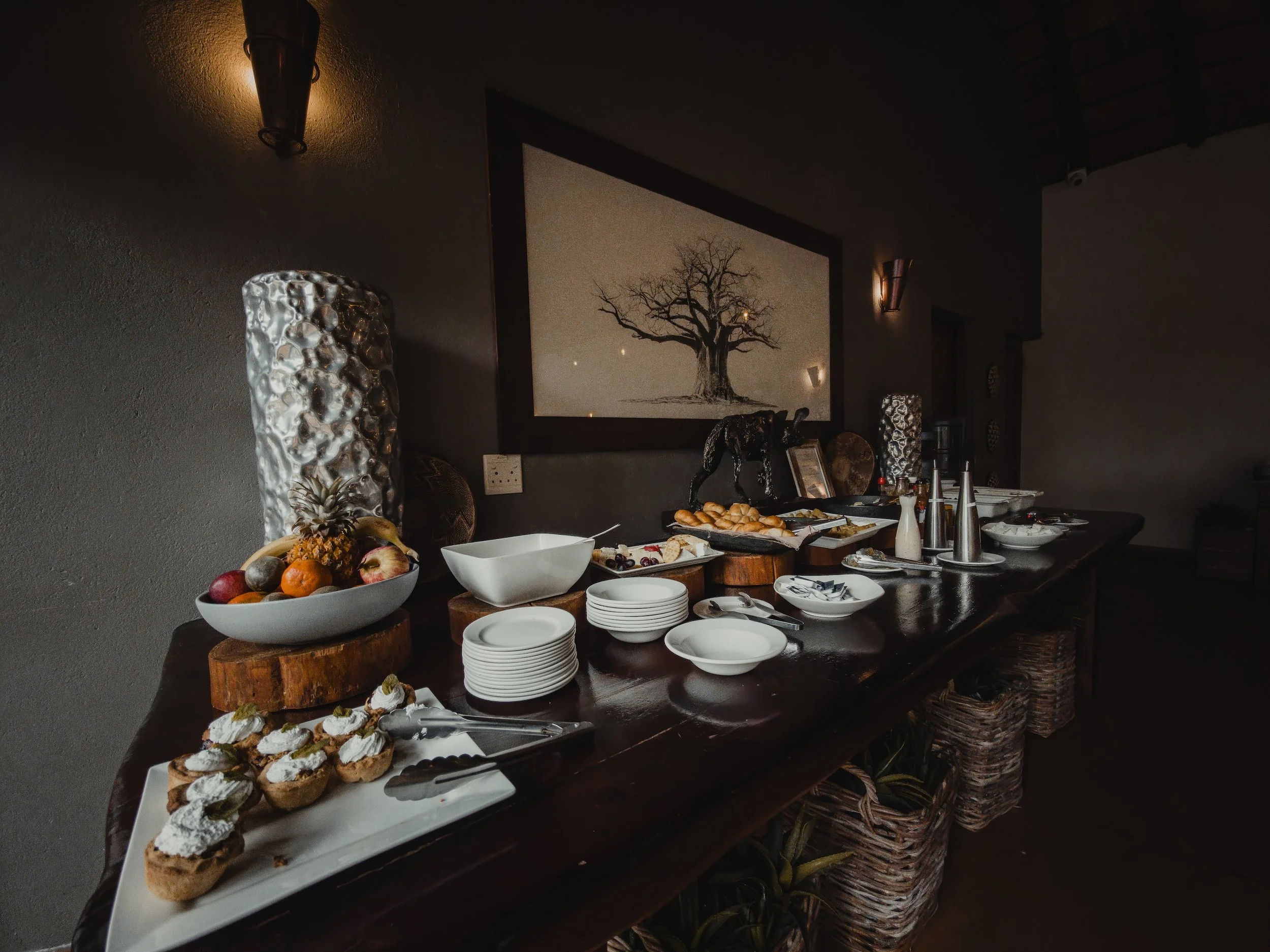
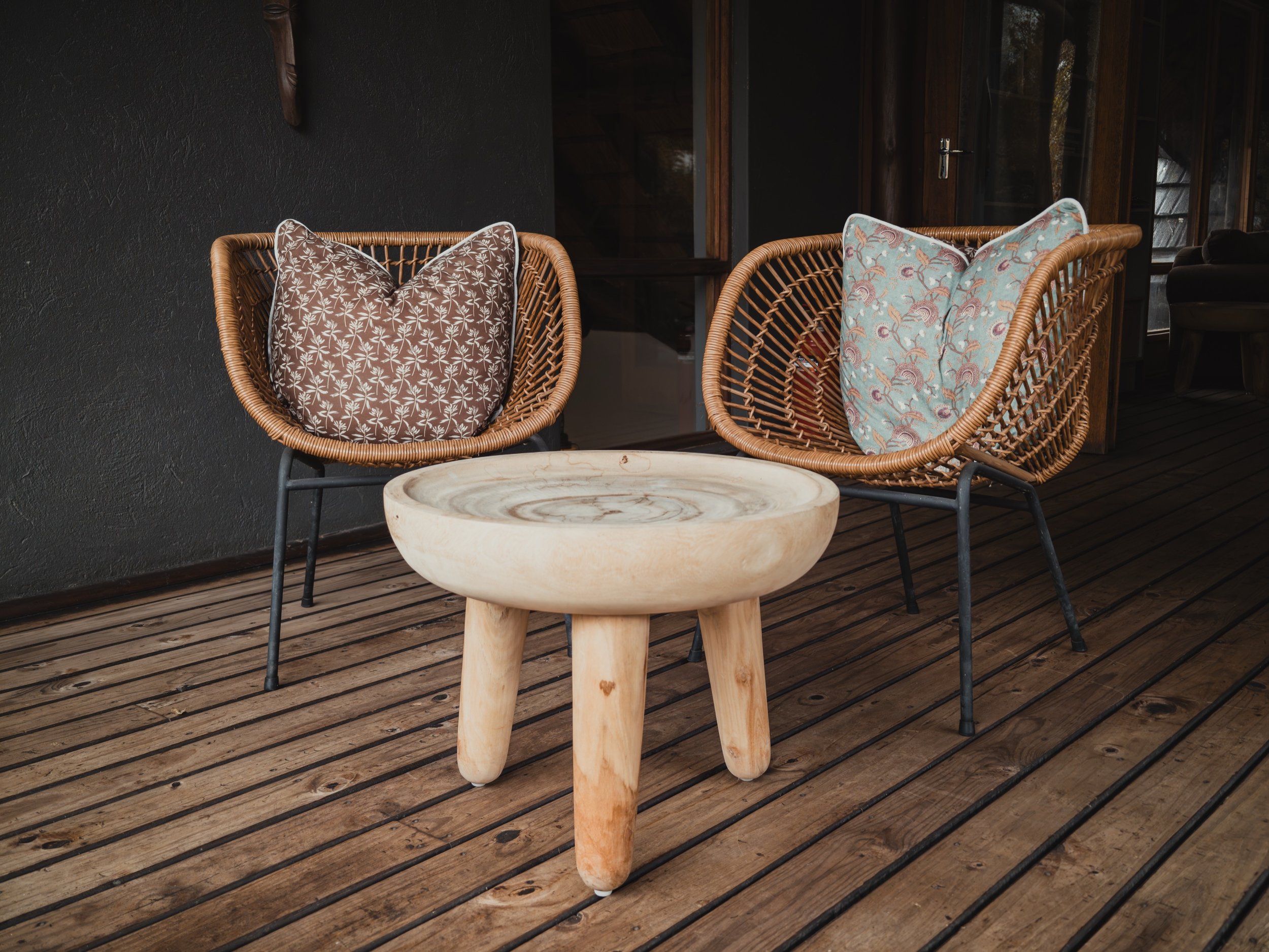
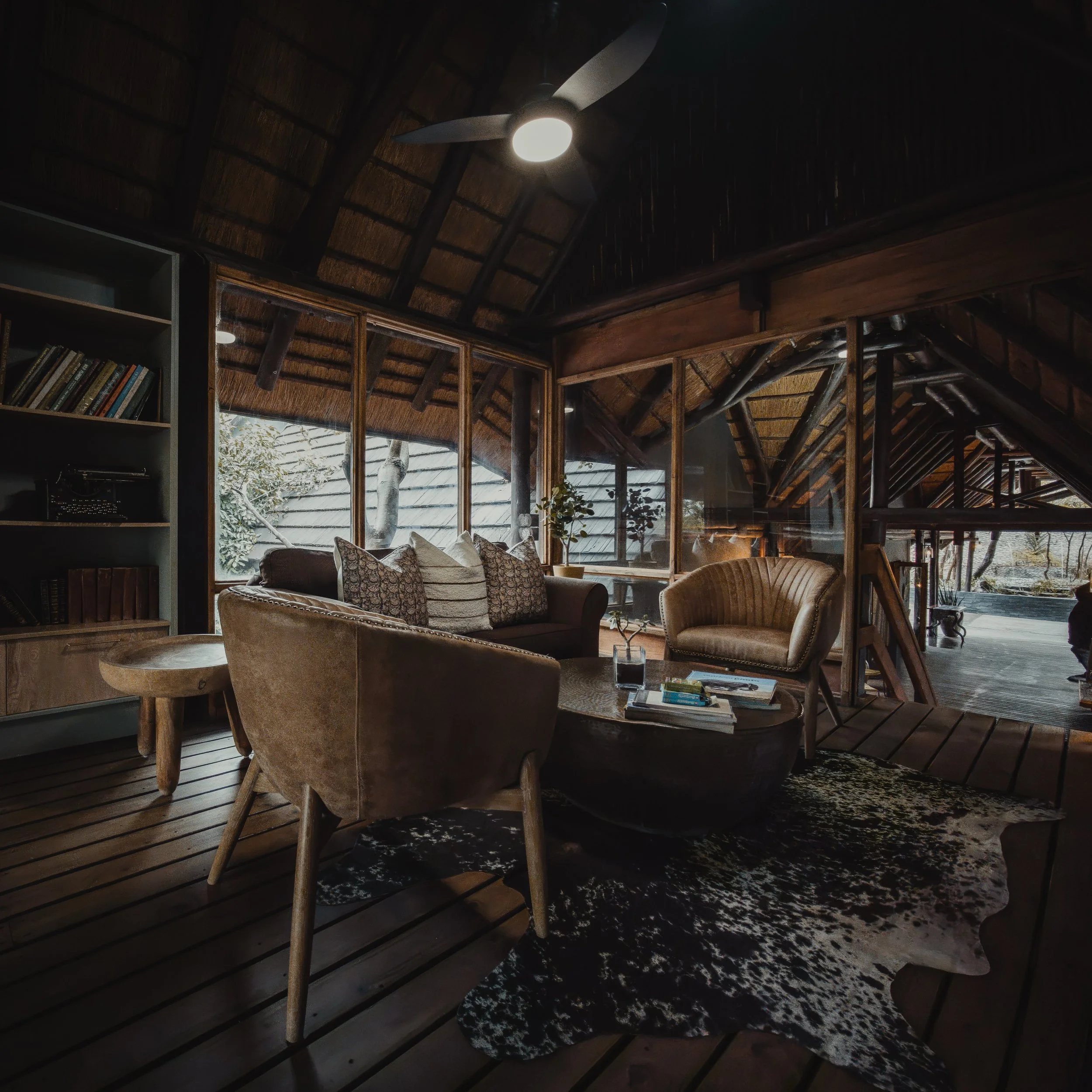
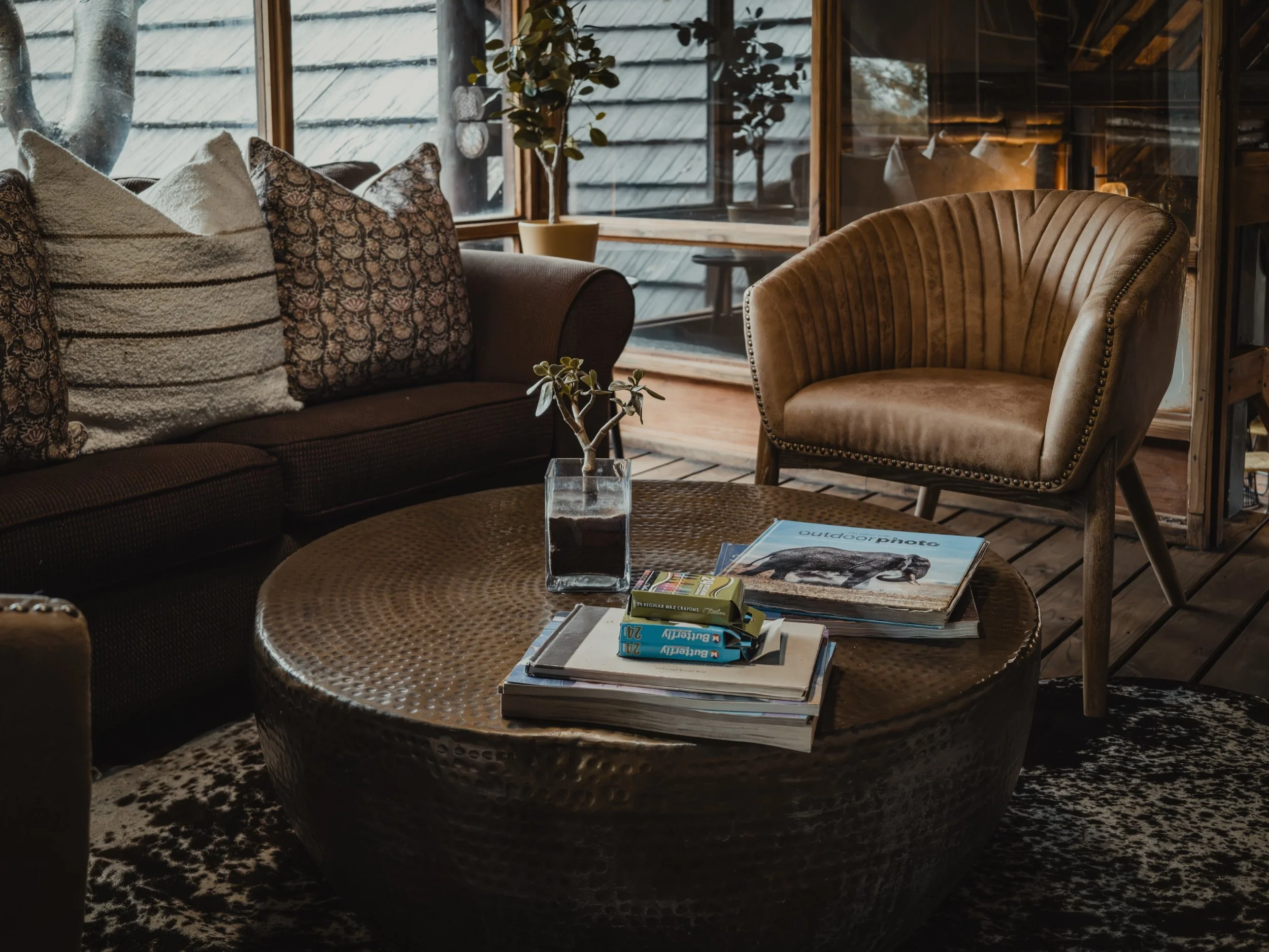
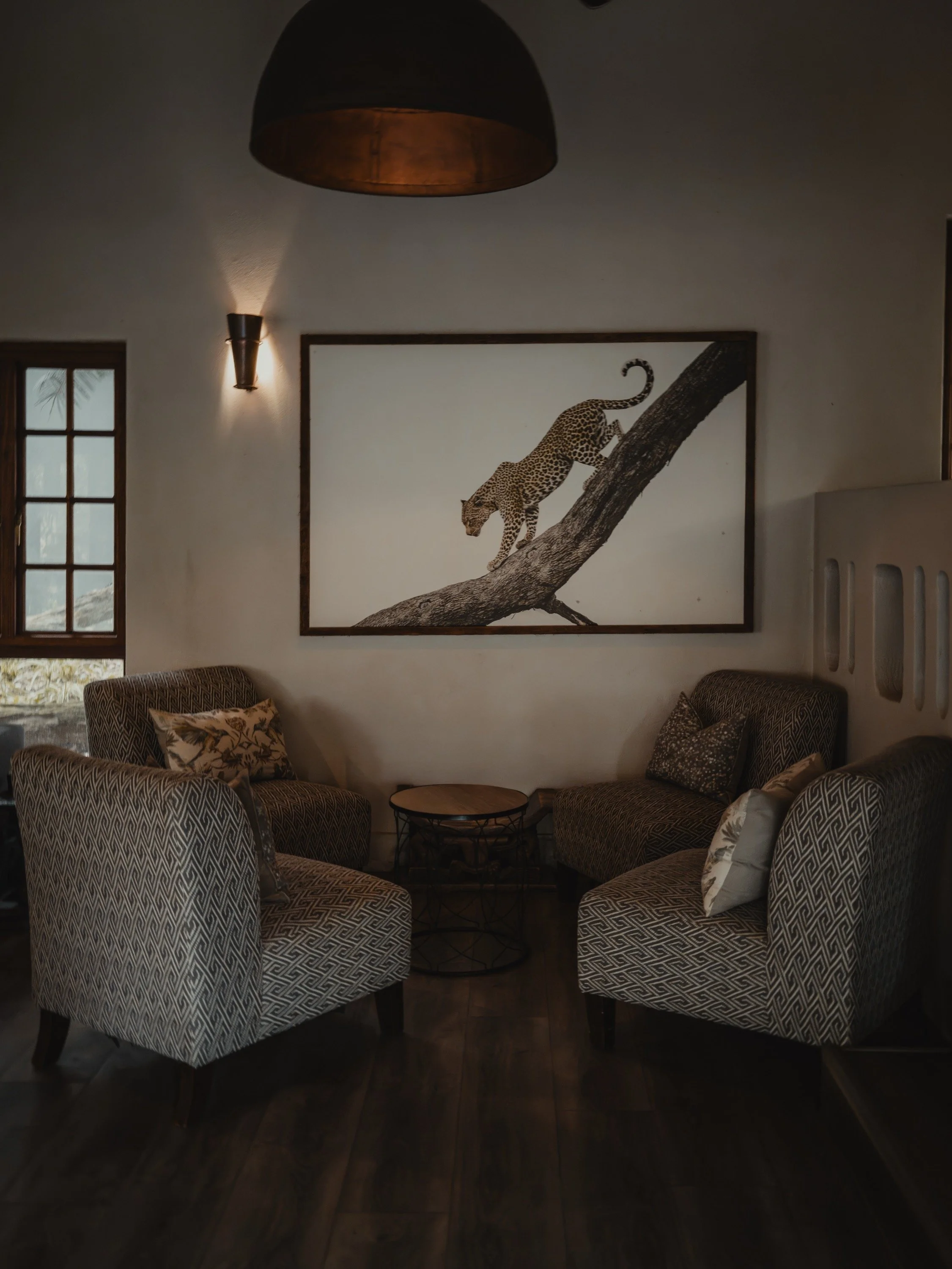
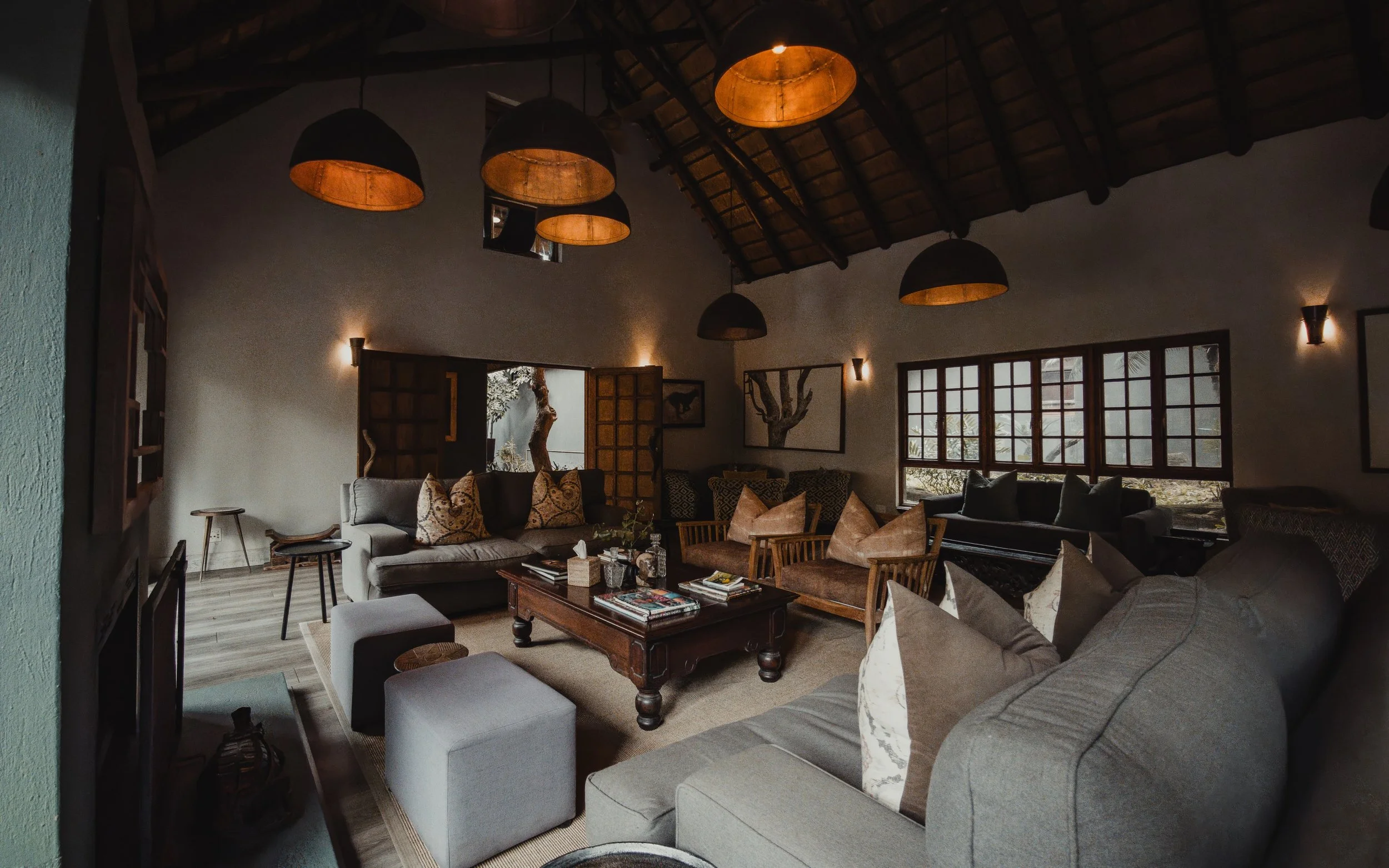
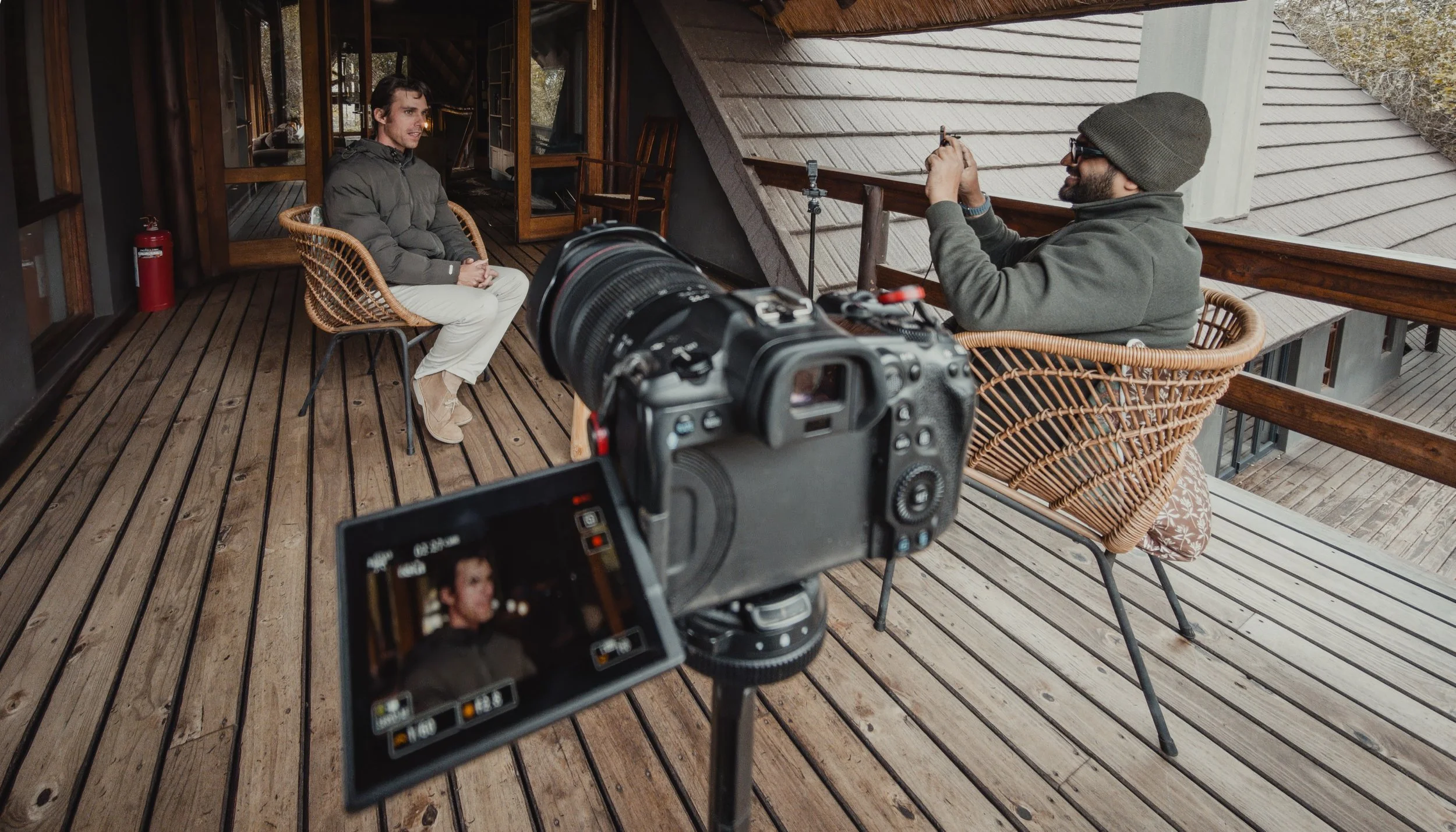
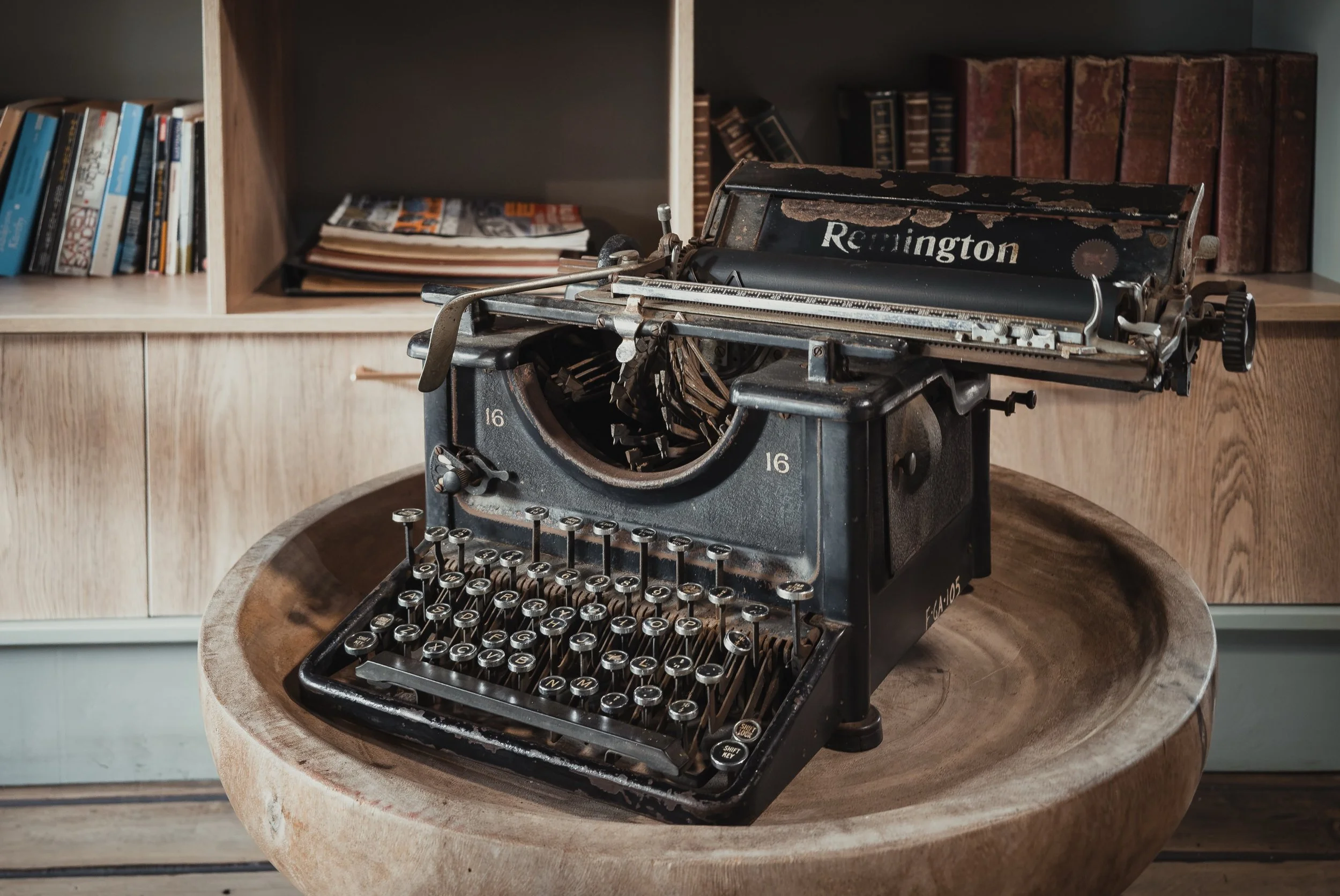
Elephant Plains’ traverse isn’t the biggest in the Sabi Sands, but at its price point, I’d call it good value. The lodge experience is also a perfect 10. The rooms have everything you need on safari — a comfy bed, enough storage space, hot showers, plenty of charging points, and a solid work desk. We stayed in a rondavel, which is the standard offering. There are bigger rooms, but they are way more than what I need.
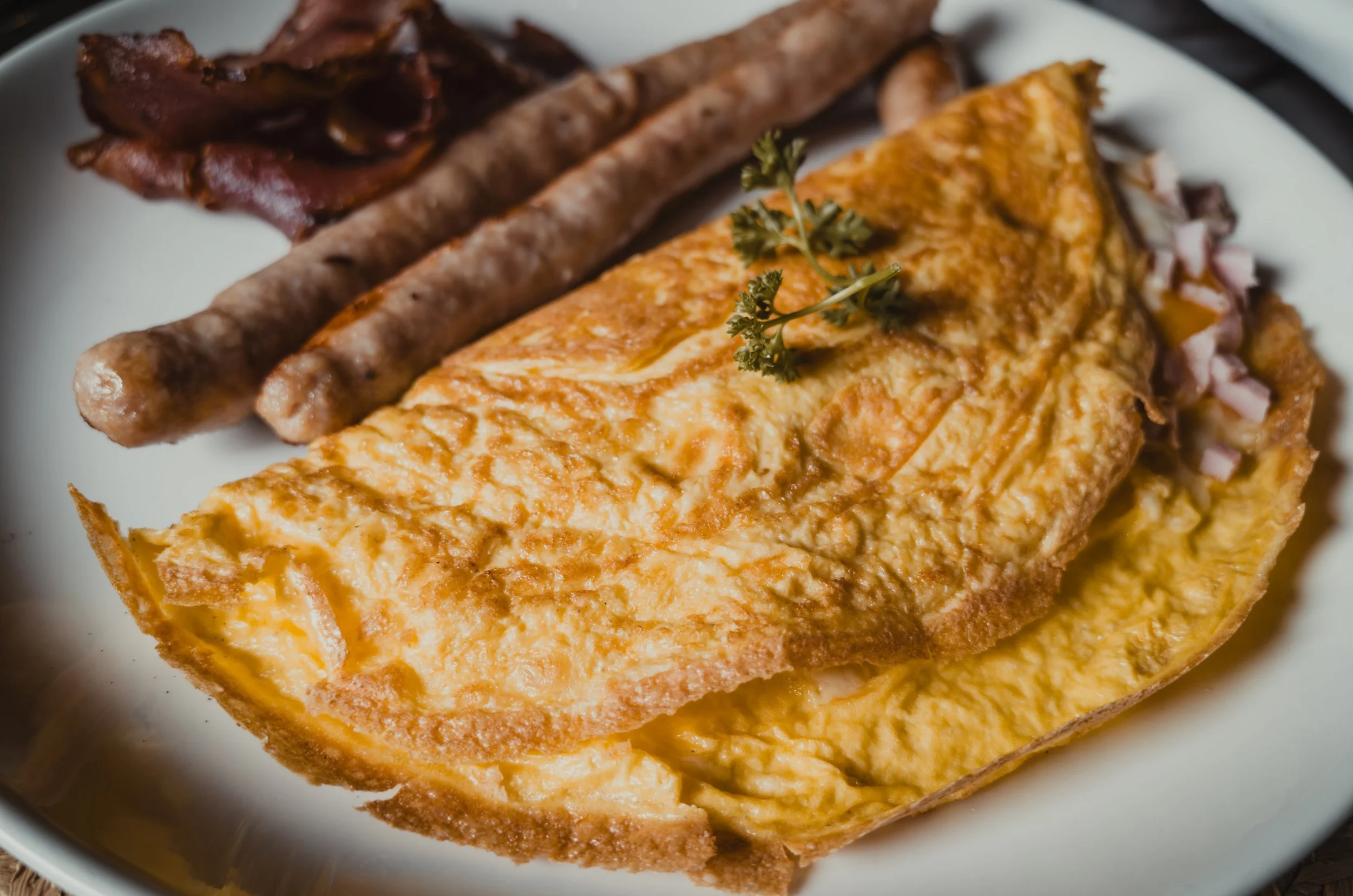
I can’t complain about the food, either. The post-game drive breakfast is so sumptuous that the 2 pm lunch feels unnecessary to me. Indeed, Elephant Plains is one of the few lodges that serves a full lunch before the afternoon drive instead of just high tea. Dinner follows at seven. At lunchtime, the chef takes your order from a set menu of starter, main, and dessert, and they handle most dietary quirks. I'm a fussy eater, and they never missed a beat. If I had to complain, I’d say there’s just too much food.
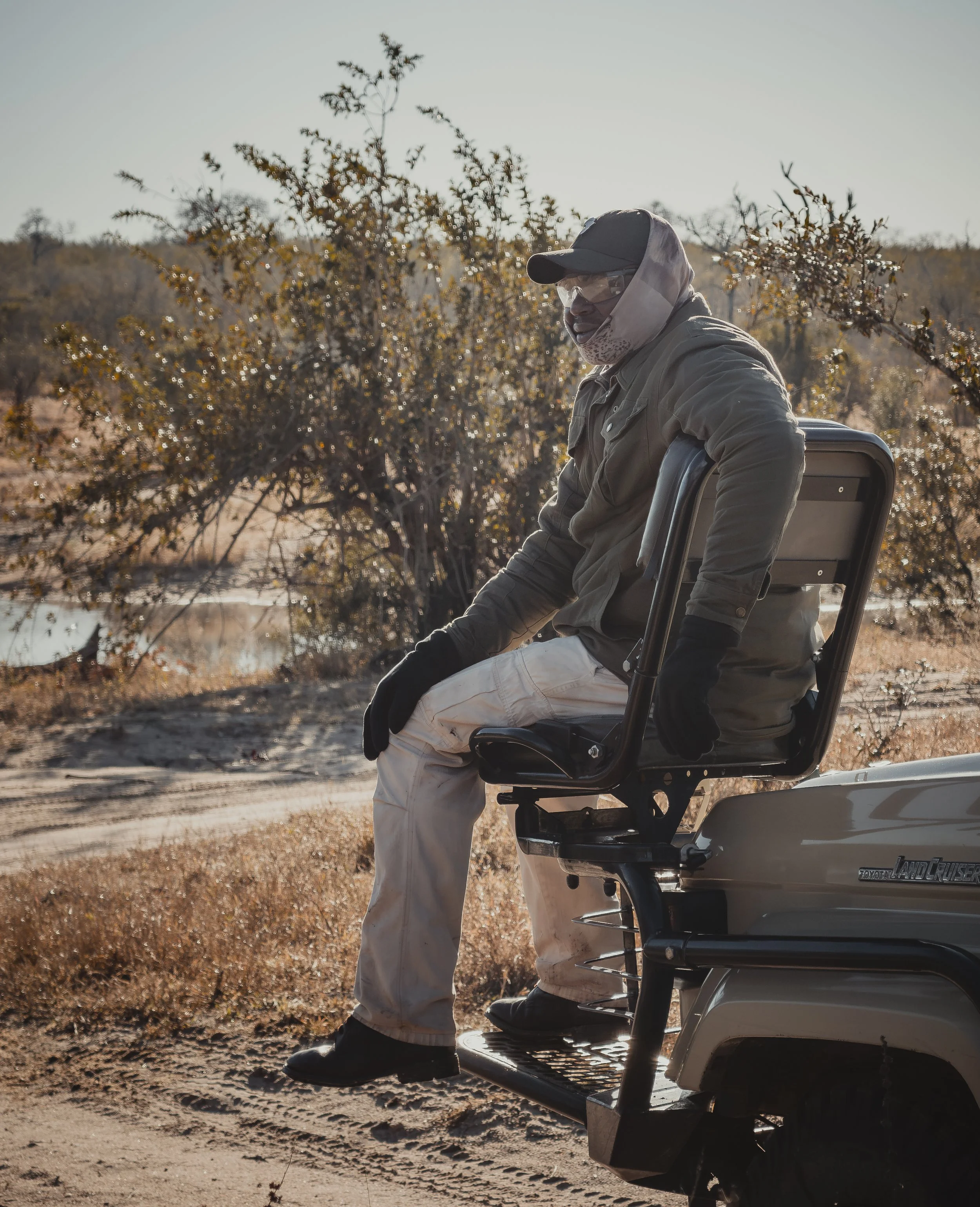
And Elephant Plains elevate photographic game drives to a fine art. Look, wildlife viewing is always a matter of luck. But guides like Jordan are experts at controlling the variables. For example, they know when to queue up for a sighting, so you have the best light. Between predator sightings, they’ll keep you busy with other sightings. Our tracker, Dion, worked as a tight unit with him, and Armand kept coaching us to see the unseen photos.
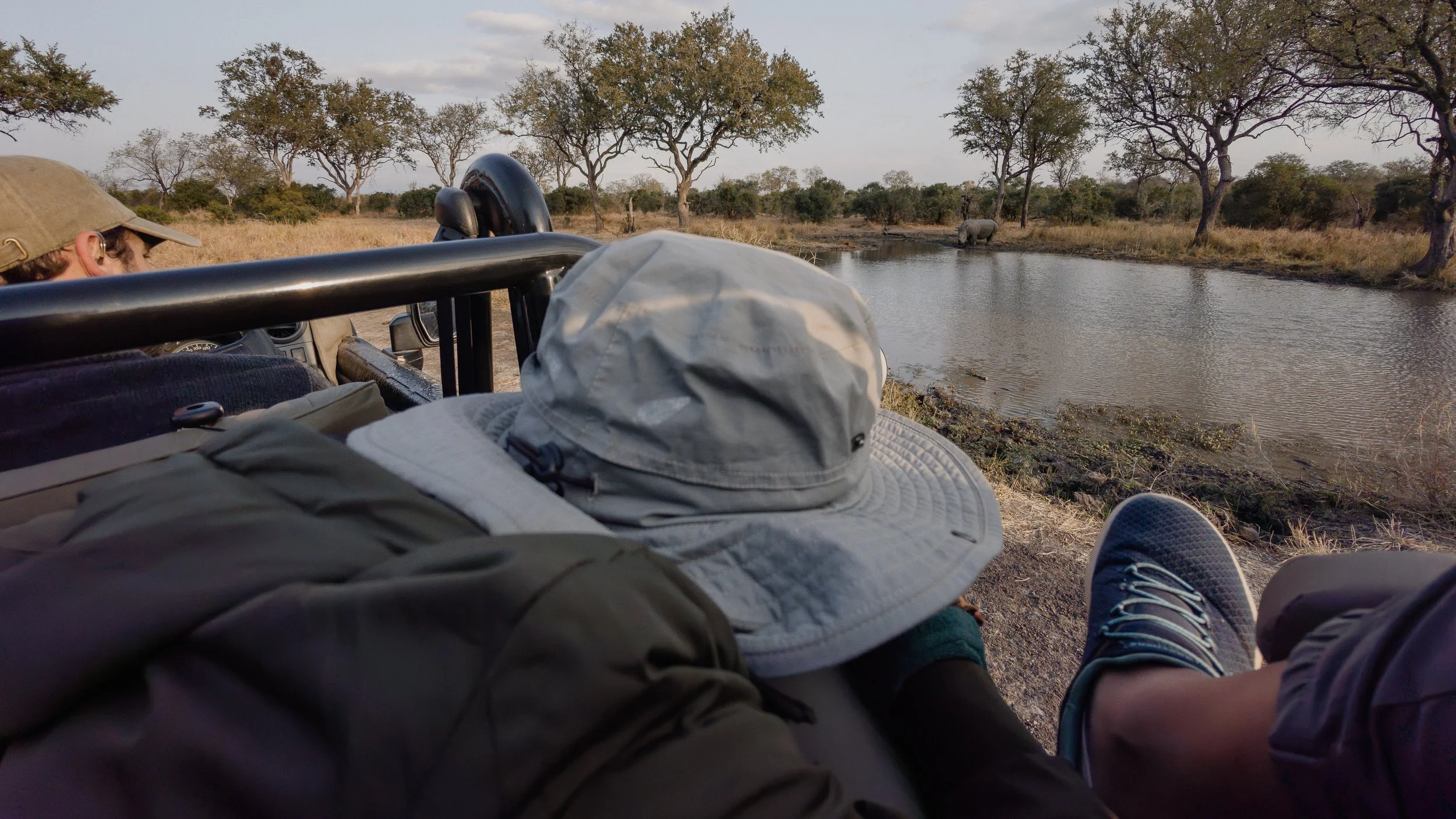
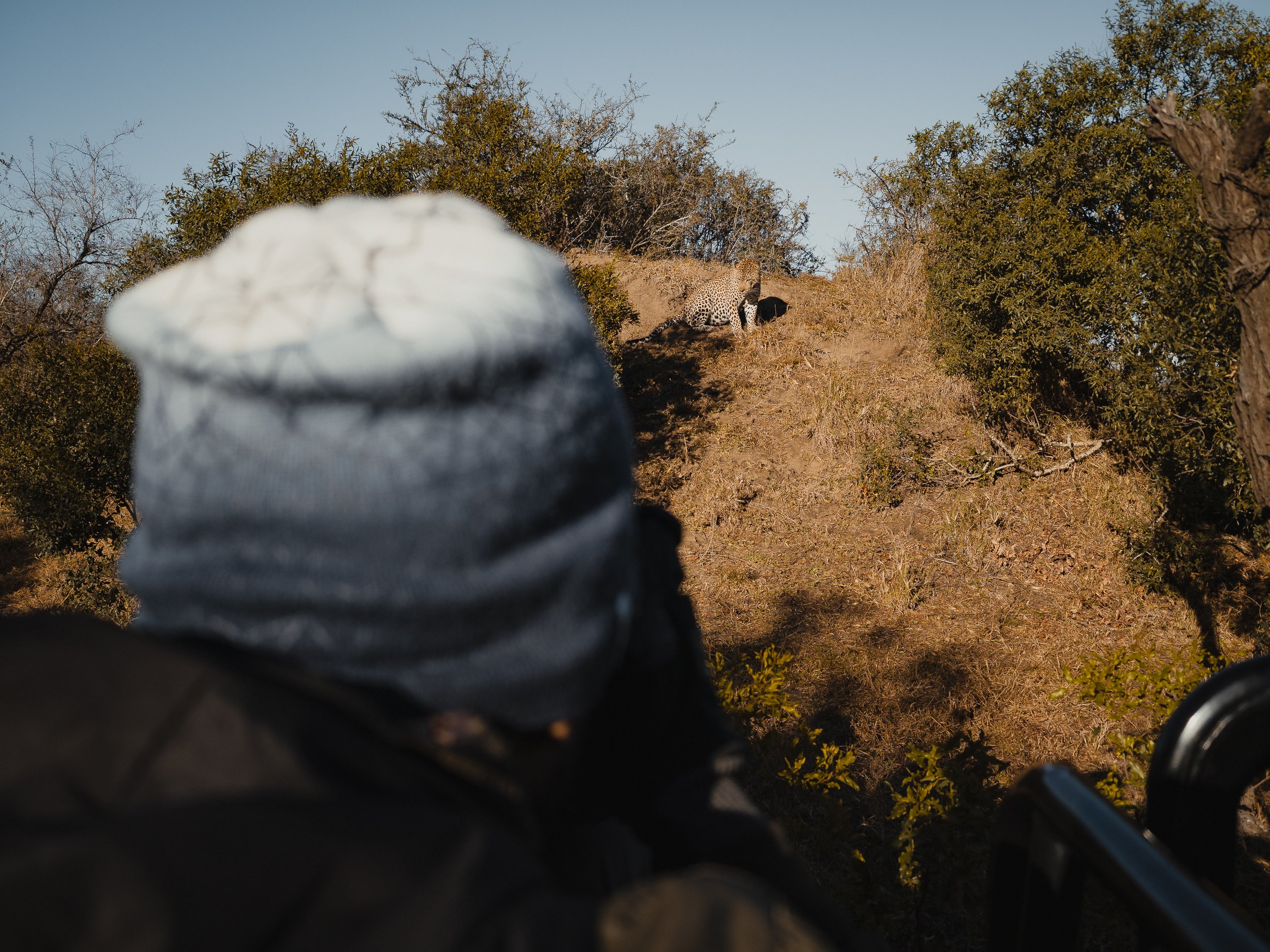
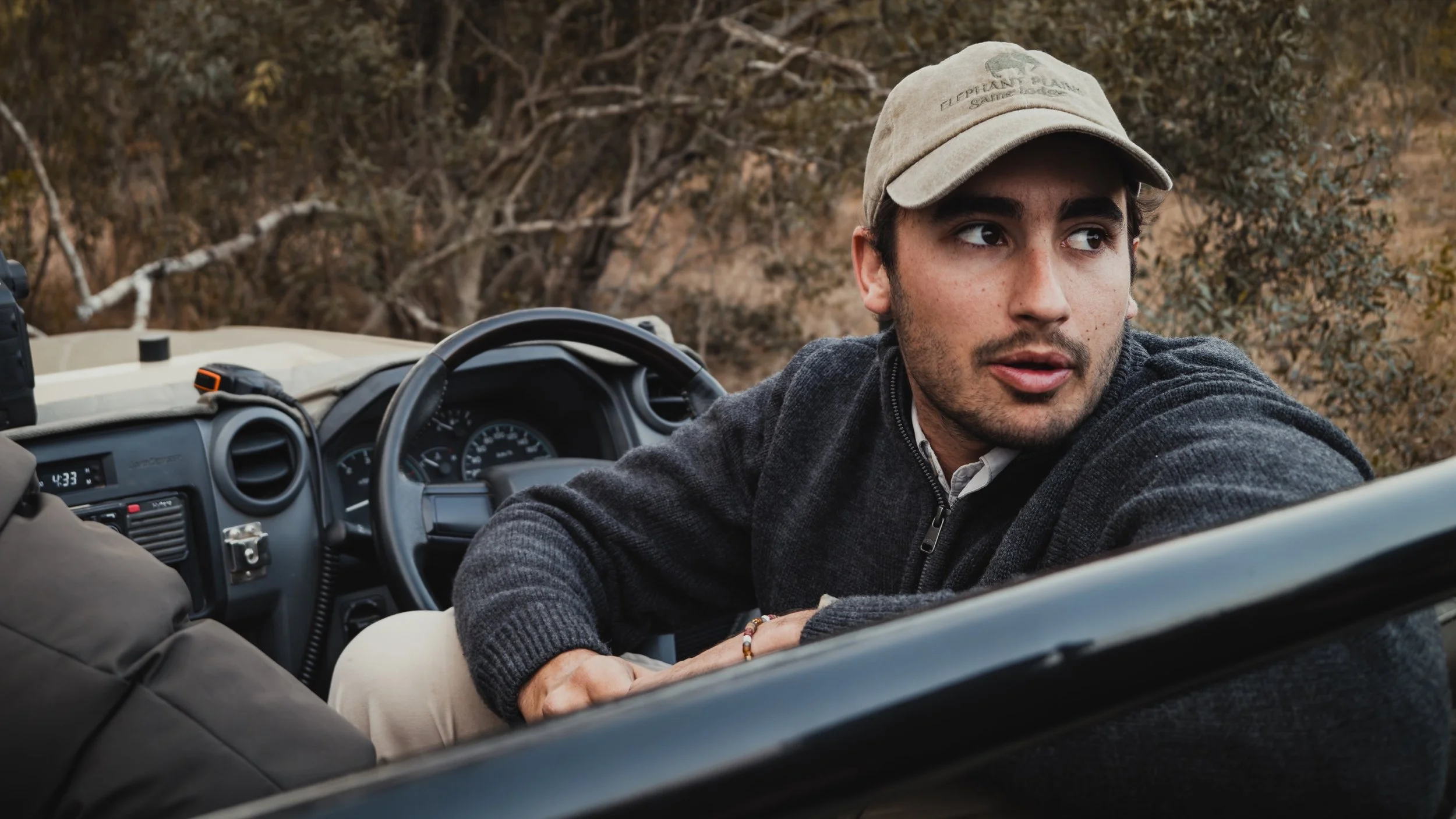
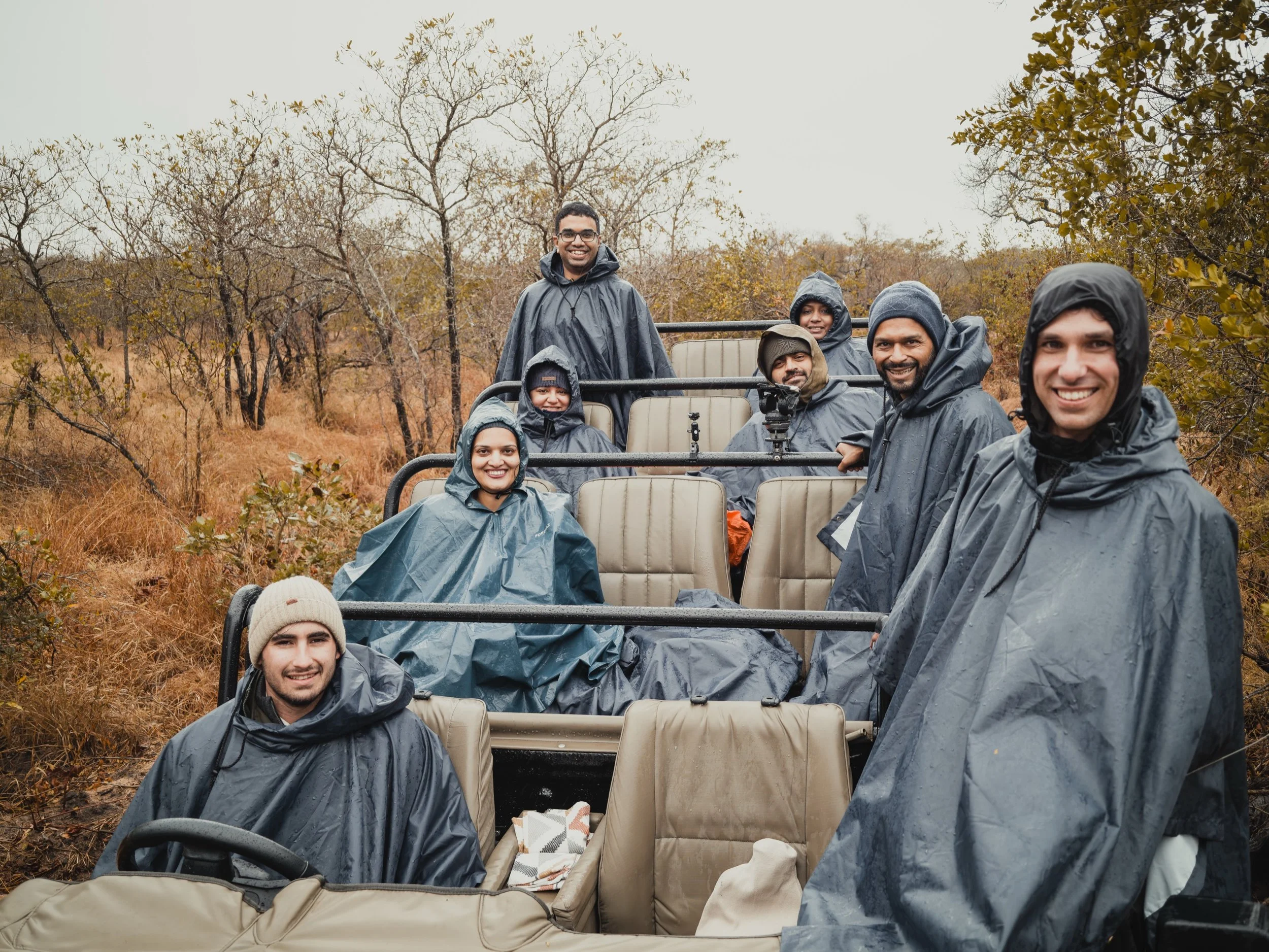
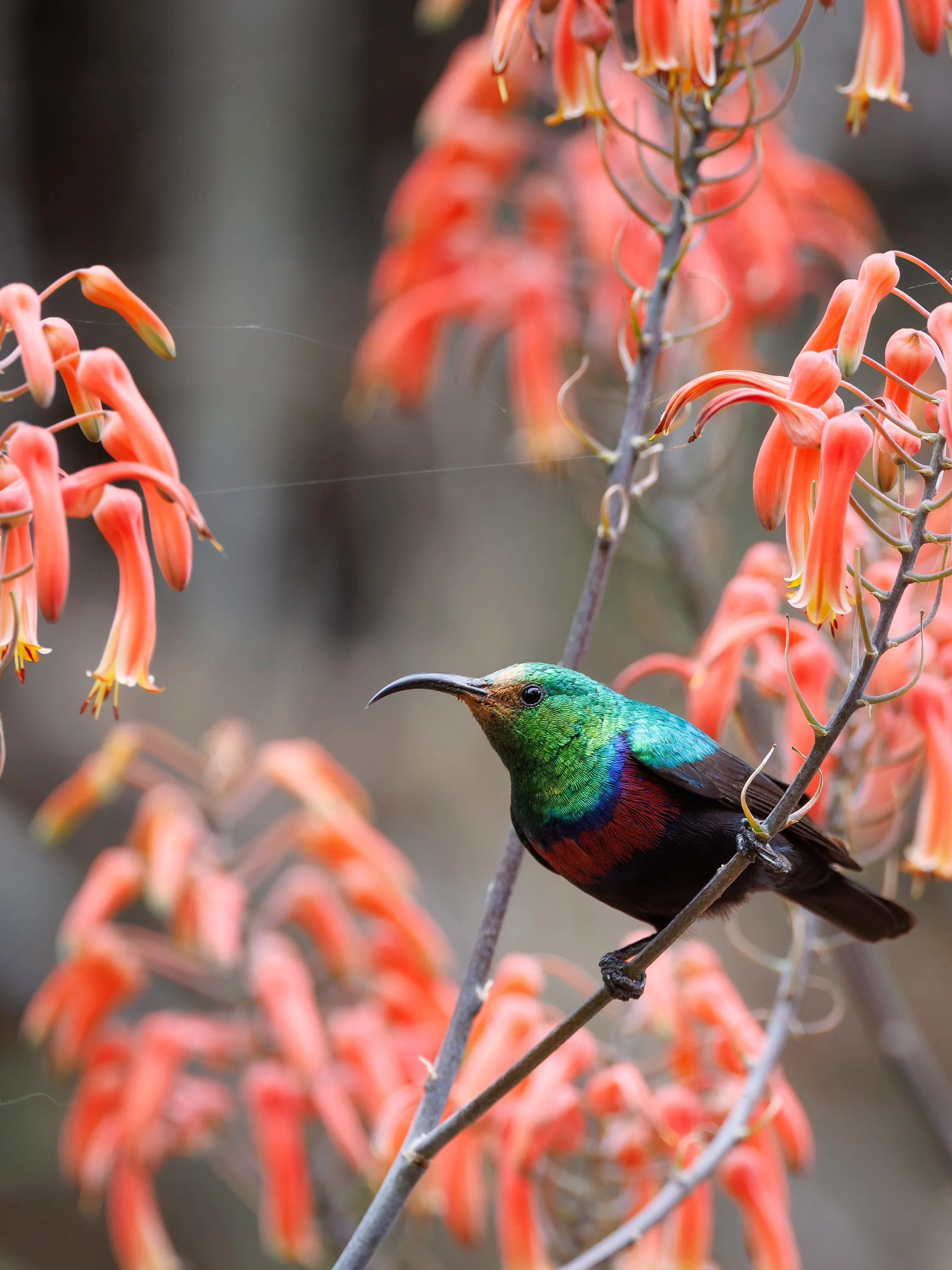
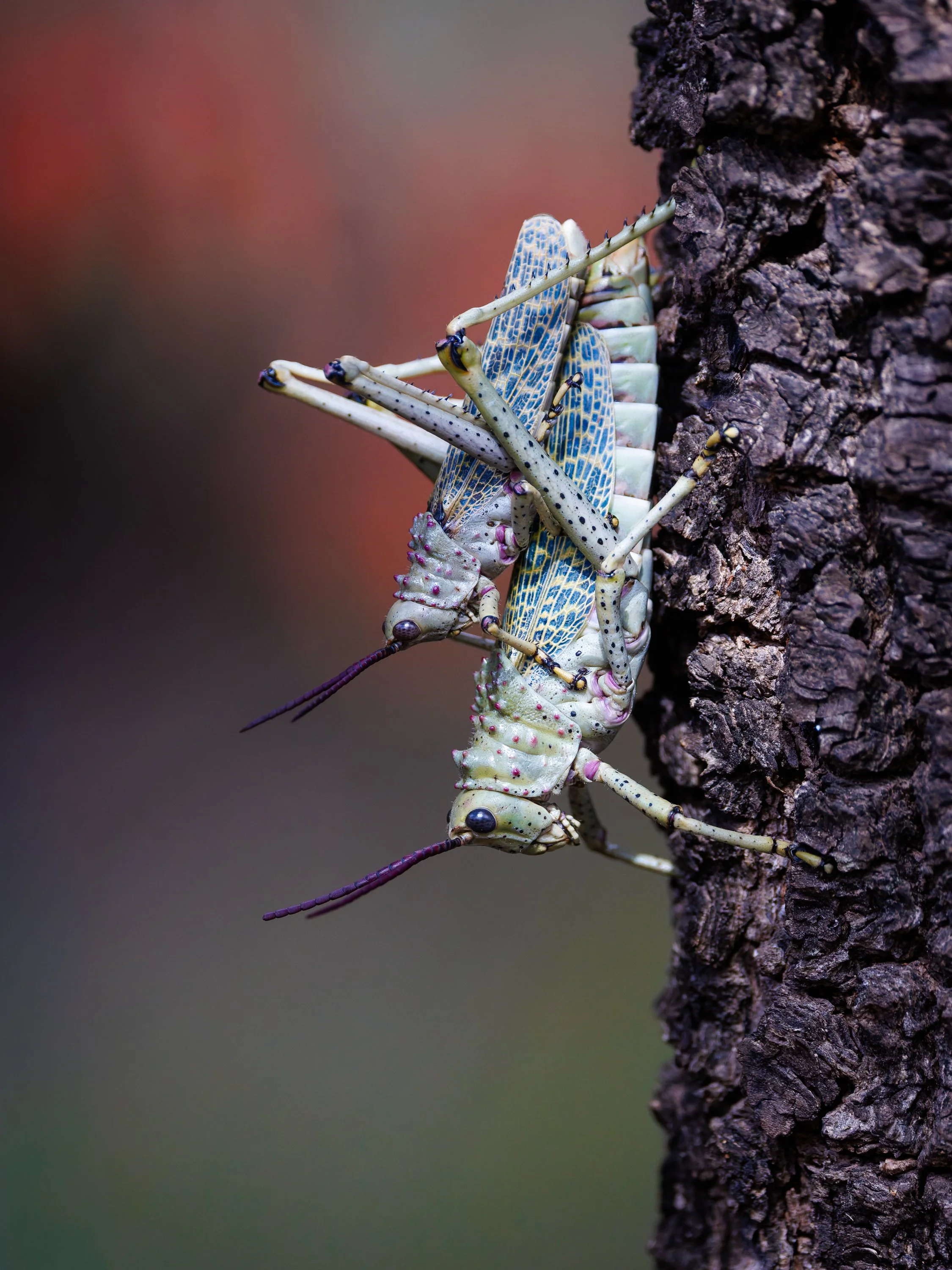
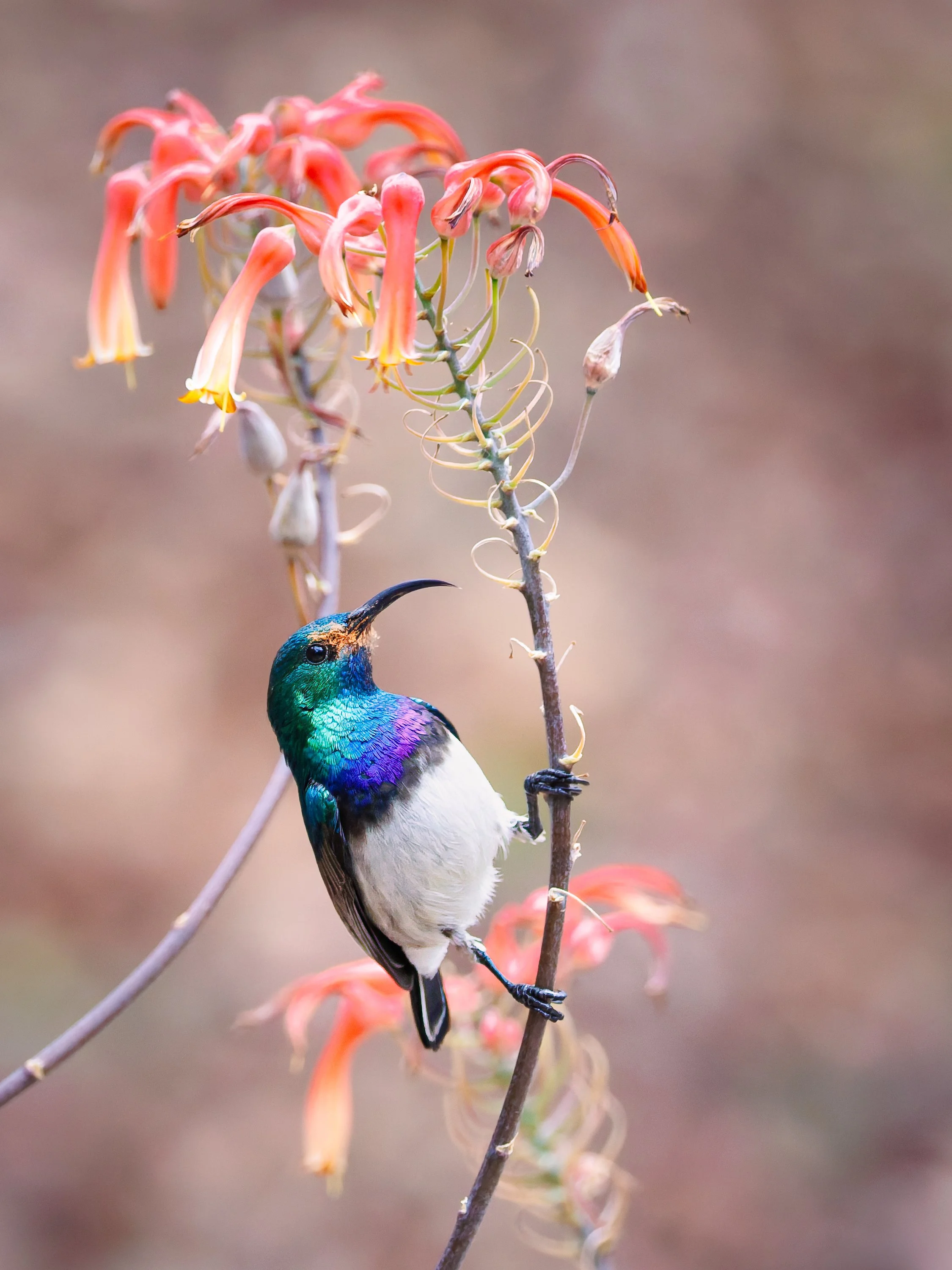
One last thing. If you stay at Elephant Plains, walk the property when you get the chance. The lodge area isn’t huge, but it attracts interesting birdlife. Sunbirds at every flowerbed, orioles, plenty of flycatchers, and a resident Nyala that could sometimes lend good photos. If you look closer, you'll find smaller subjects too. With everything the lodge feeds you, I suggest using the walks to burn off calories while you photograph subjects you won’t heed when on game drives.
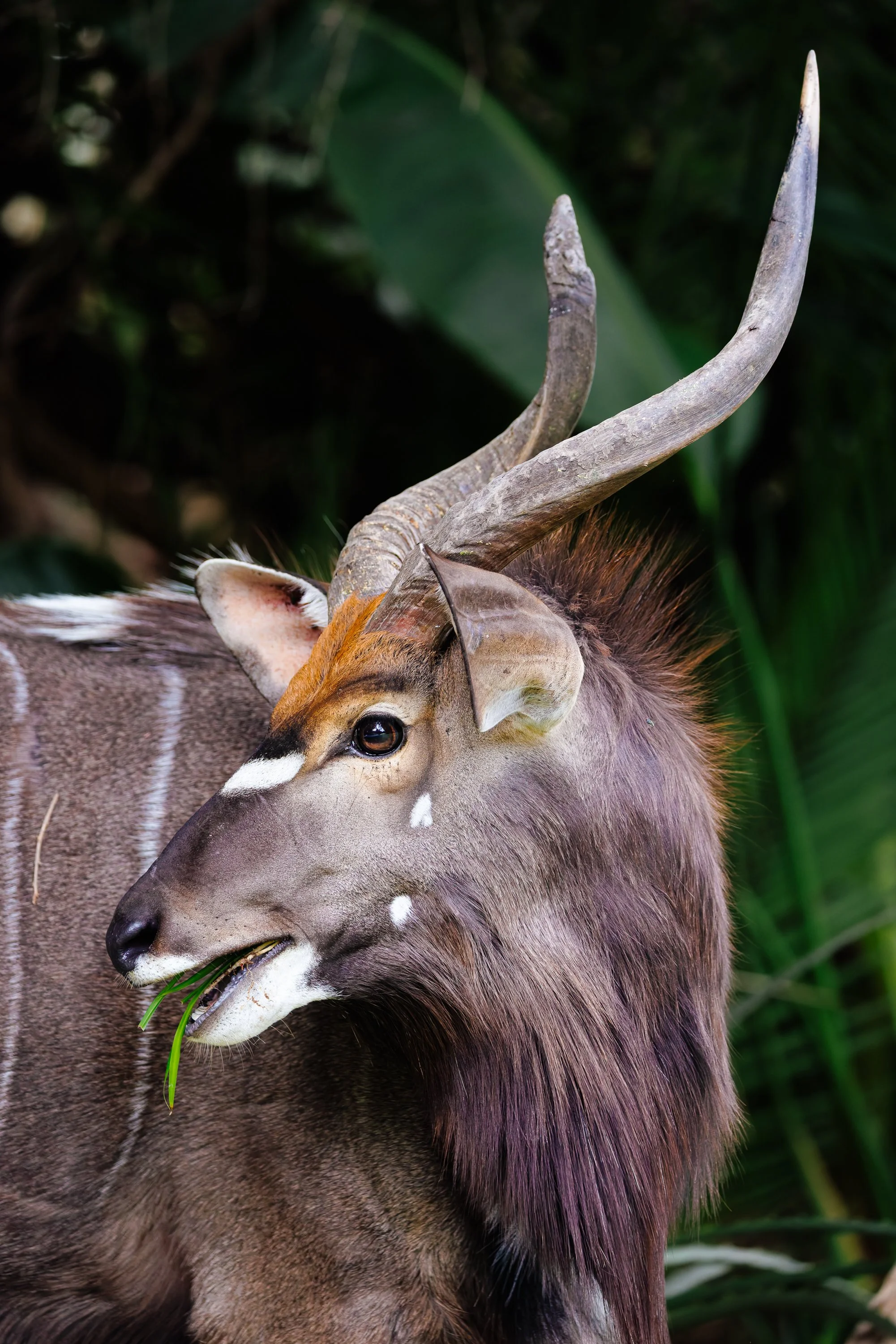
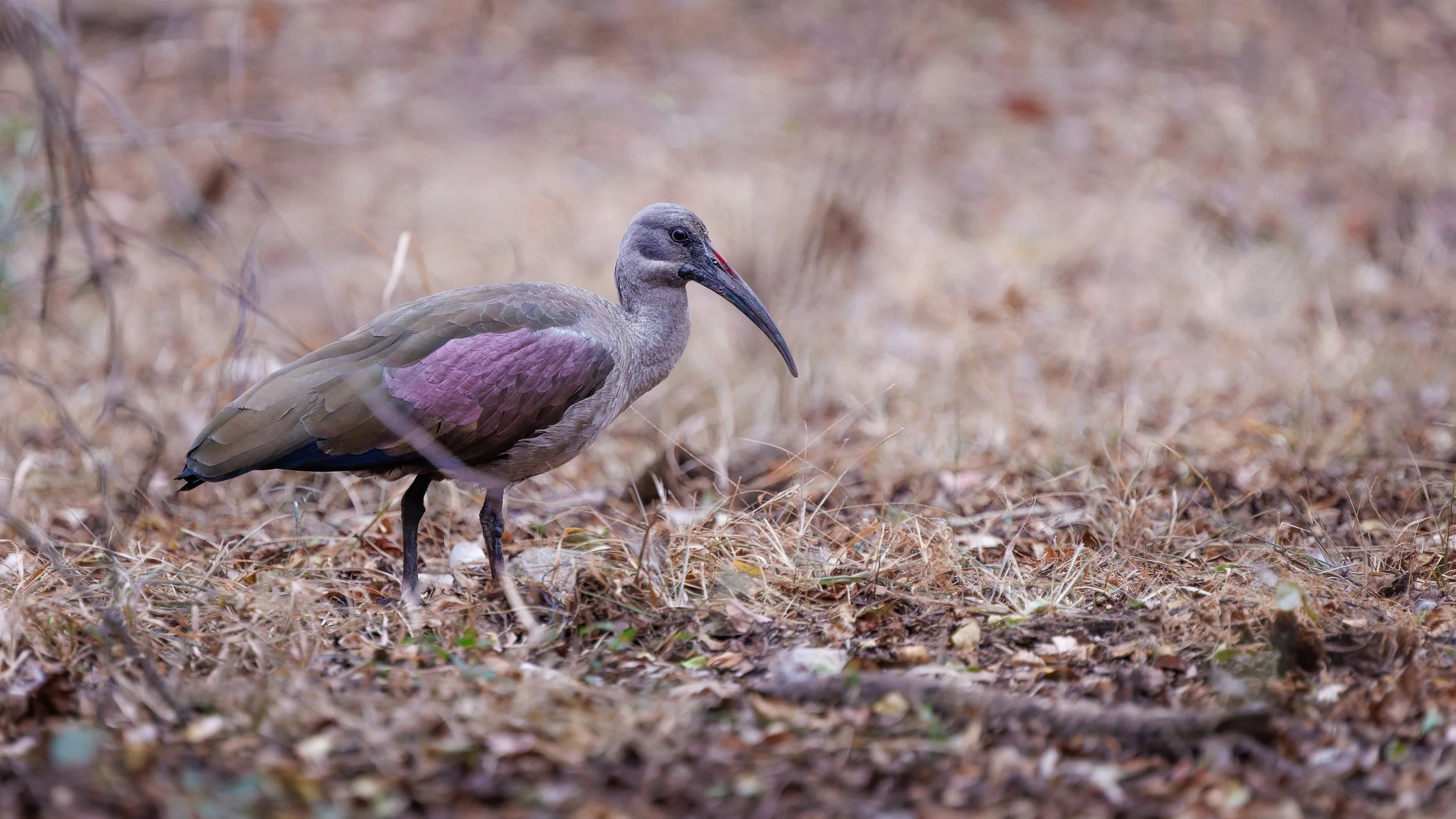
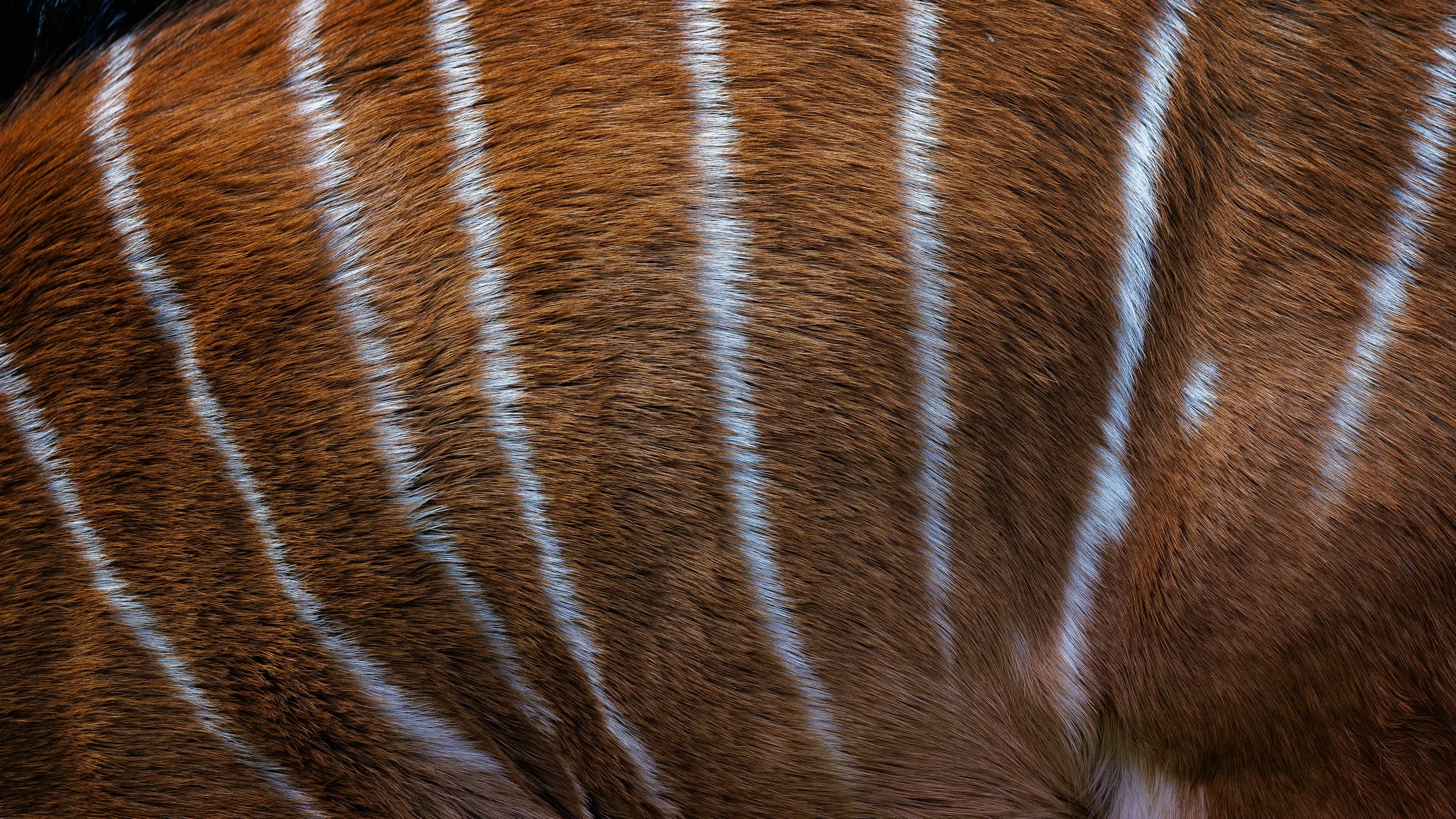
If you ever go to the Sabi Sands by yourself, factor lodge choice into your planning. It shapes the trip more than you'd expect.
Why is the Sabi Sands special?
The Sabi Sand Game Reserve is part of the Greater Kruger ecosystem. Compared to the national park, which spans a massive 20,000 sq km, Sabi Sand is small—a mere 650 sq km. But don’t let that size fool you. If you need a predator fix, this is one of the best places to visit in all of Africa. Plus, it’s a photographer’s dream. Two inviolate rules make the Sabi Sand an enjoyable place to photograph predators.
No more than three vehicles at a sighting
If you’ve been to Kruger National Park or the Maasai Mara, you’ll know that there’s no cap on the number of vehicles that are present at a sighting. While I’m not going to judge these vehicle numbers (I'm part of the problem, after all), I realise vehicles influence both the animals’ behaviour and the photography experience. Imagine other vehicles wandering into your frame, the positioning hassles and the sound of engines starting and stopping around you.
There’s none of that at the Sabi Sands: three vehicles and no more. The properties follow this rule without exception, and after years of habituation, most animals ignore vehicles when the stress they cause is so low. As a photographer, you benefit from photographing relaxed, accommodative subjects.
Mandatory vehicle rotations
Given the three-vehicle limit, you have to give way to others after a reasonable crack at a subject. There are no “secret sightings”. Guides share sighting information over the radio, then queue up for their turn, so everyone gets the sightings possible during their game drive hours.
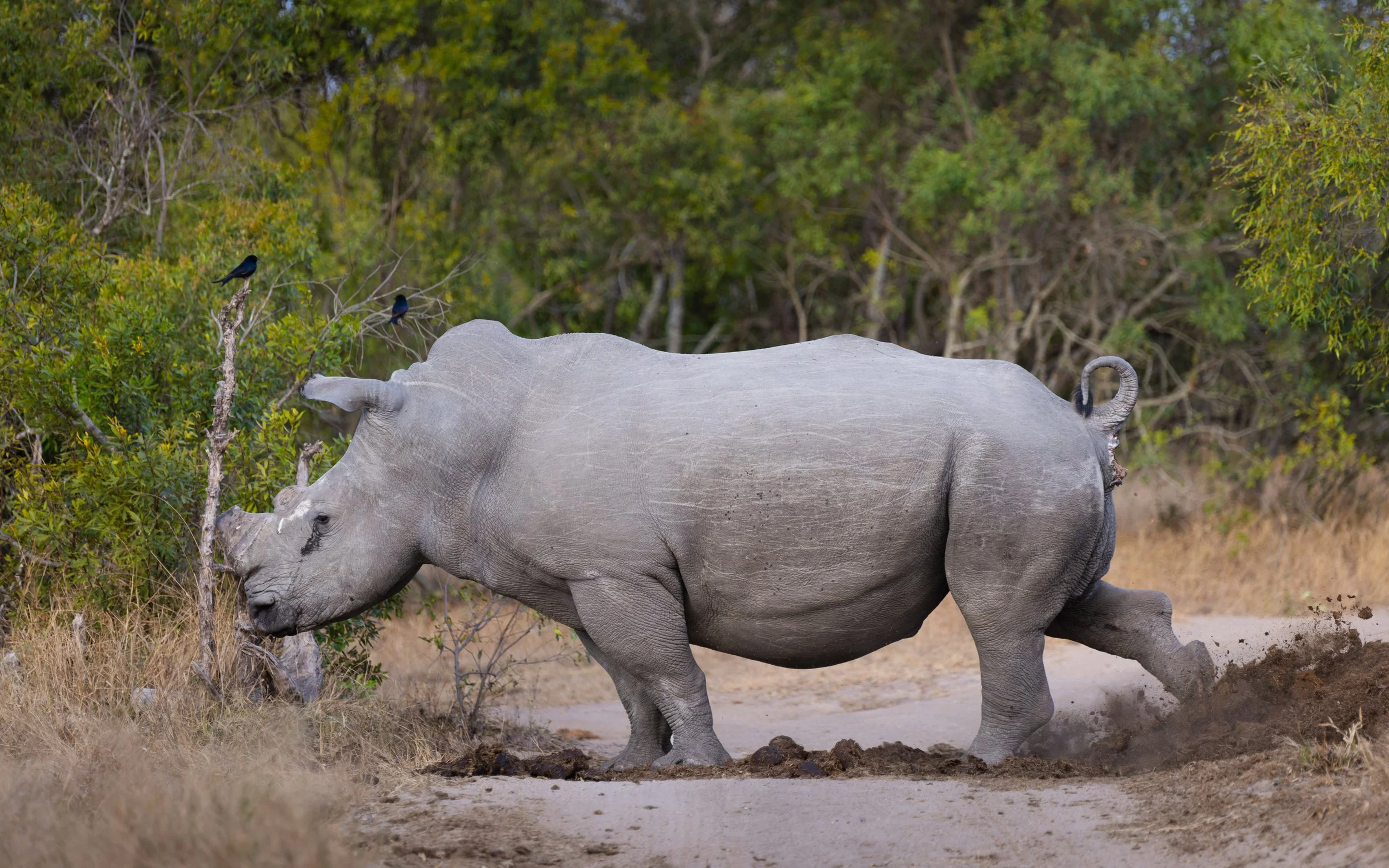
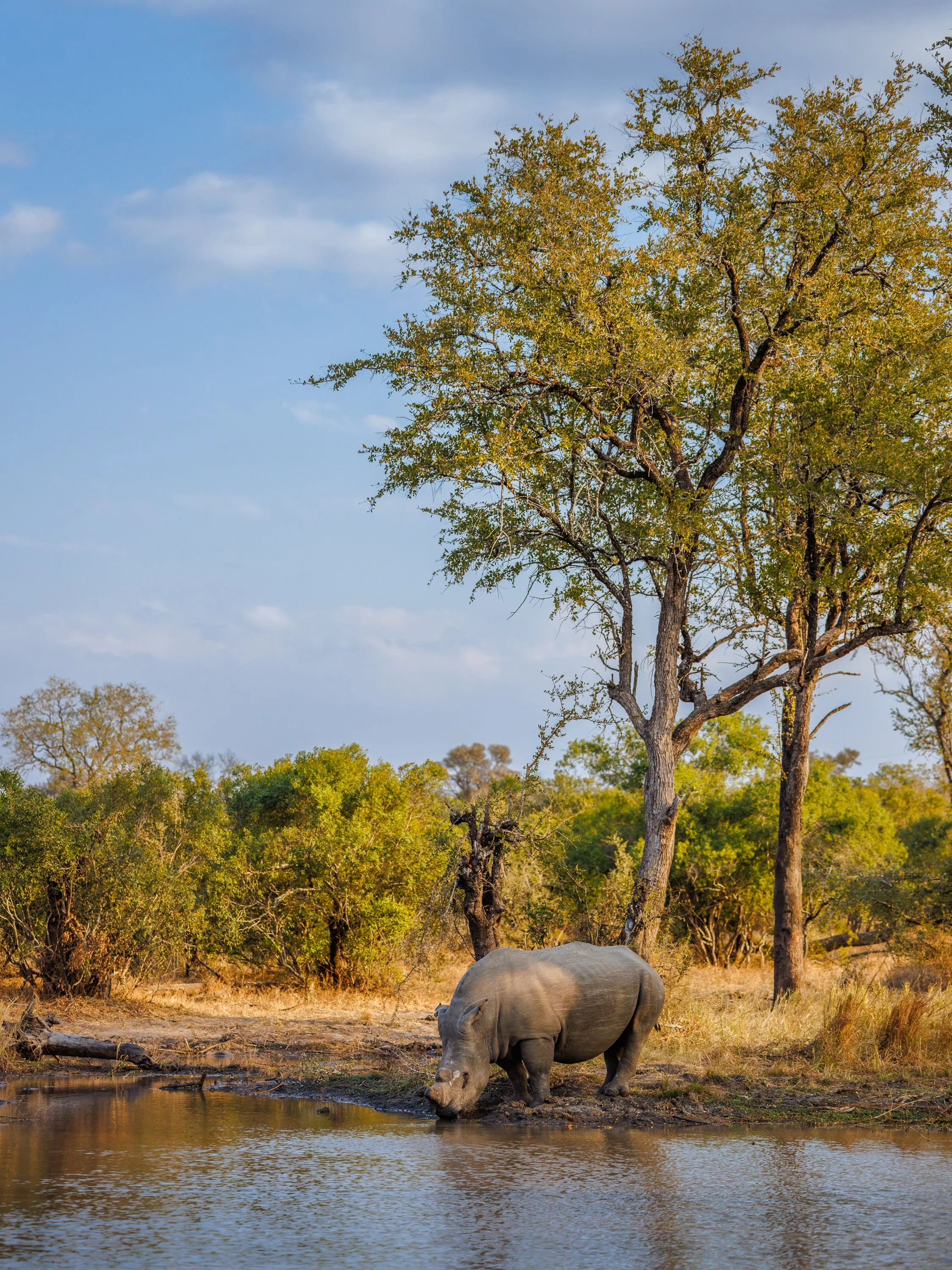
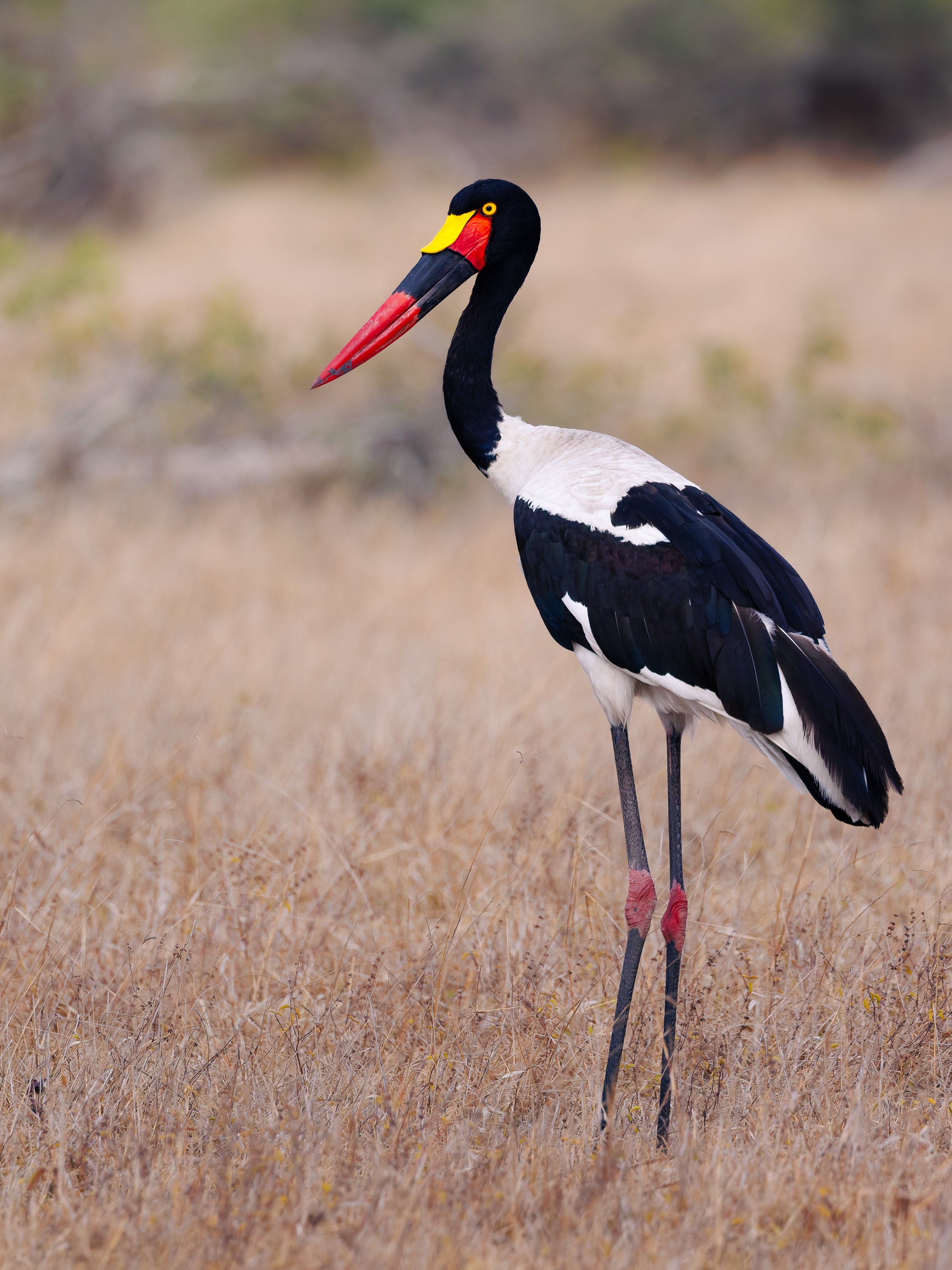
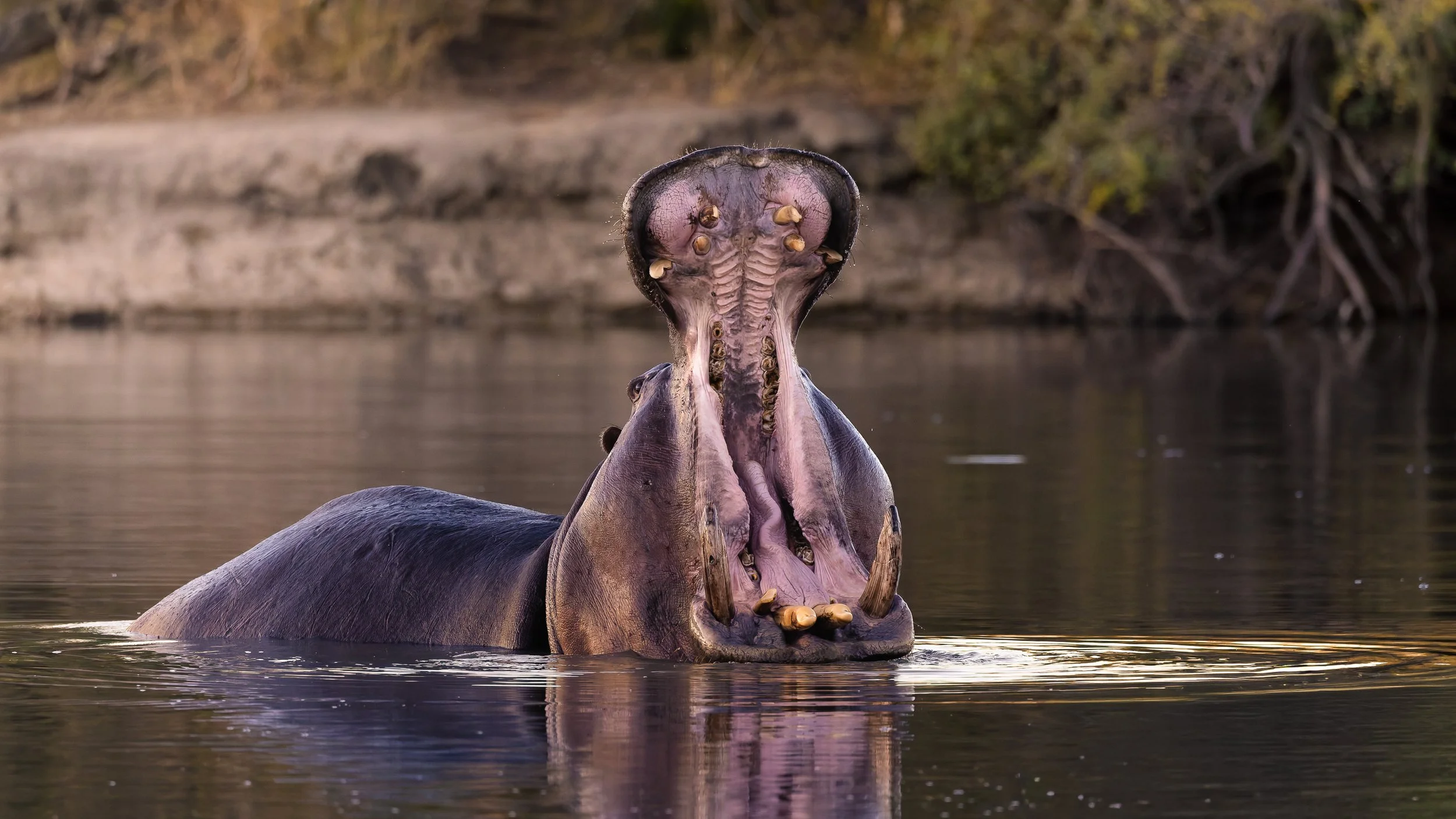
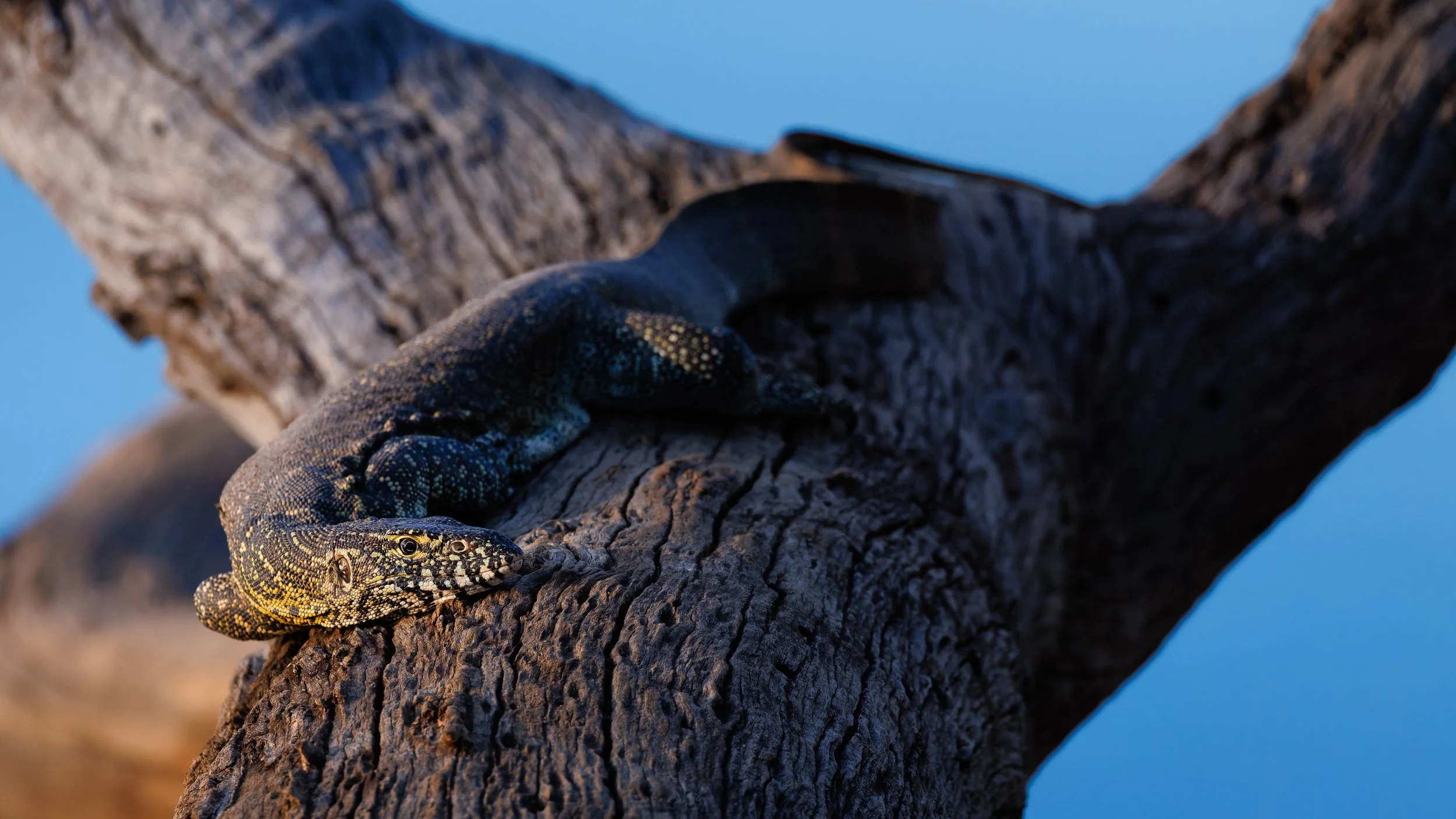
A guaranteed predator fix
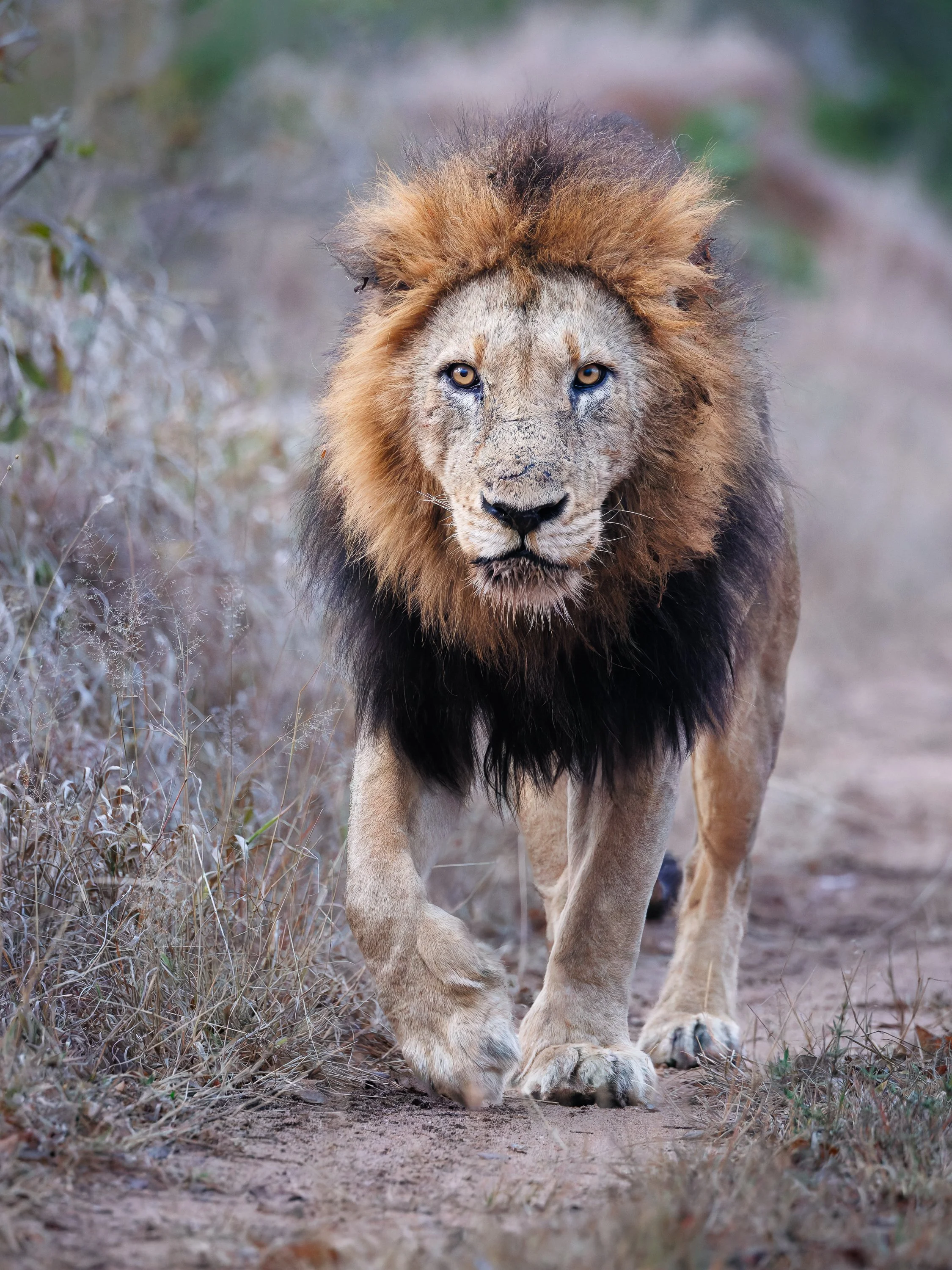
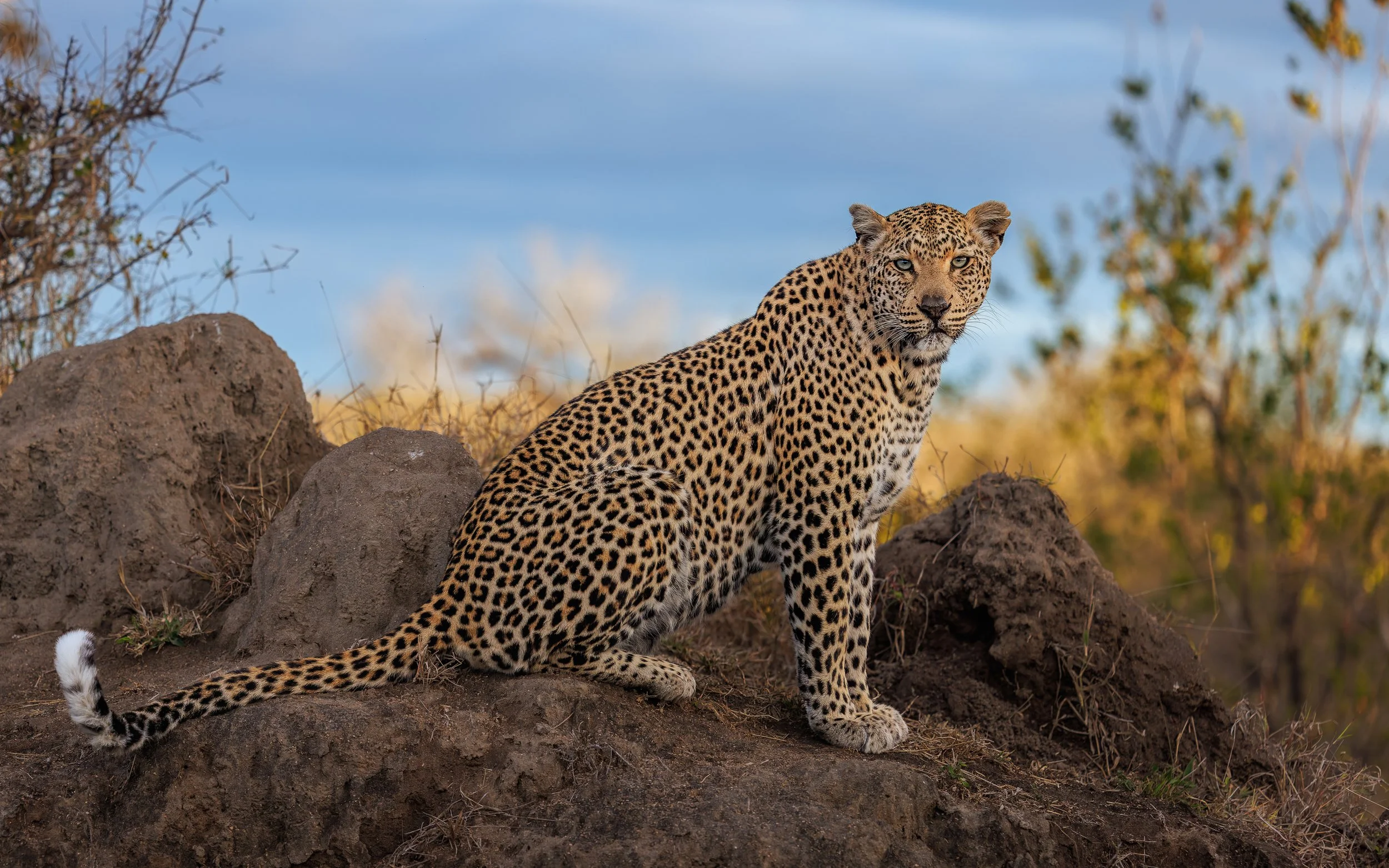
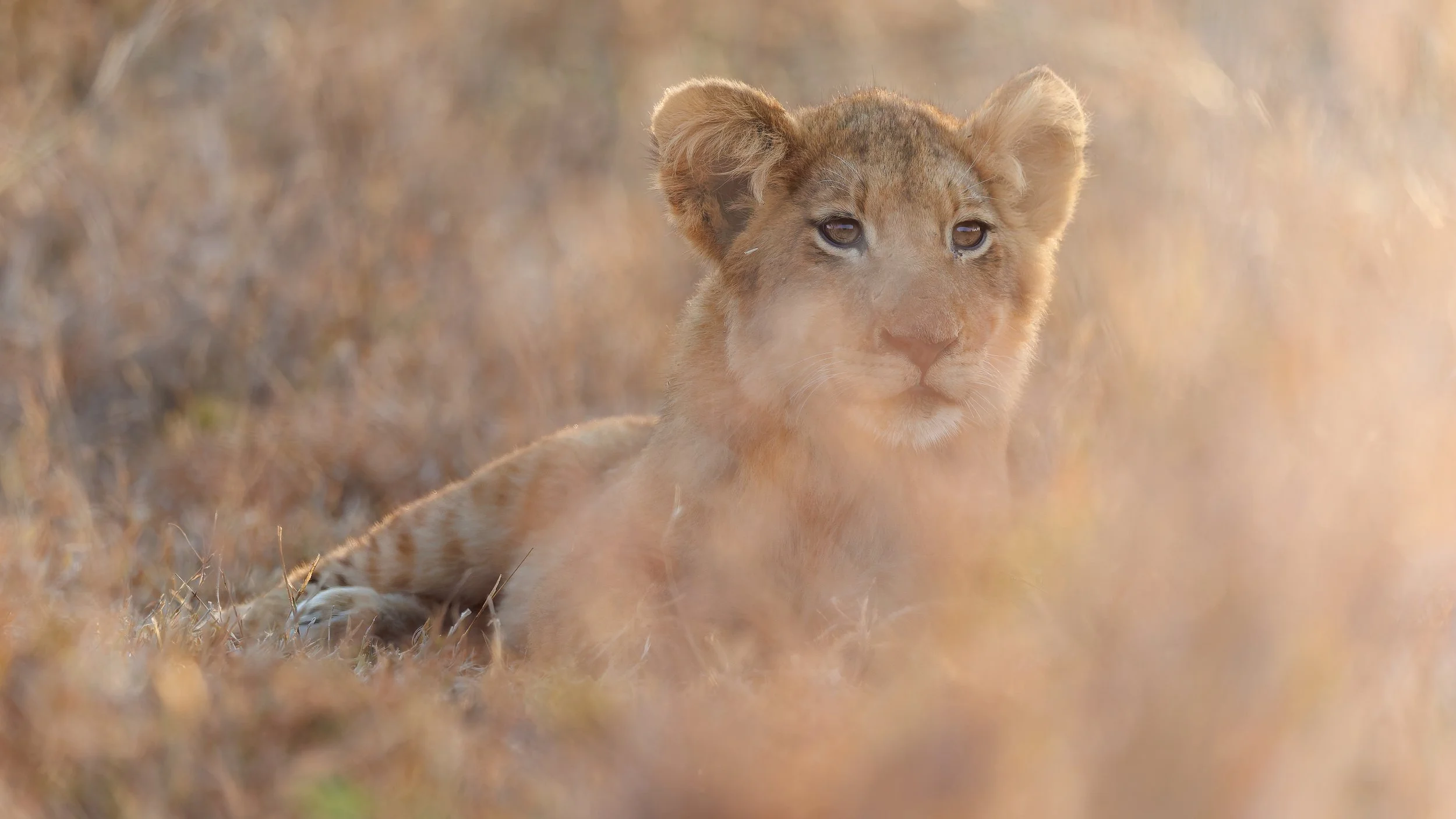
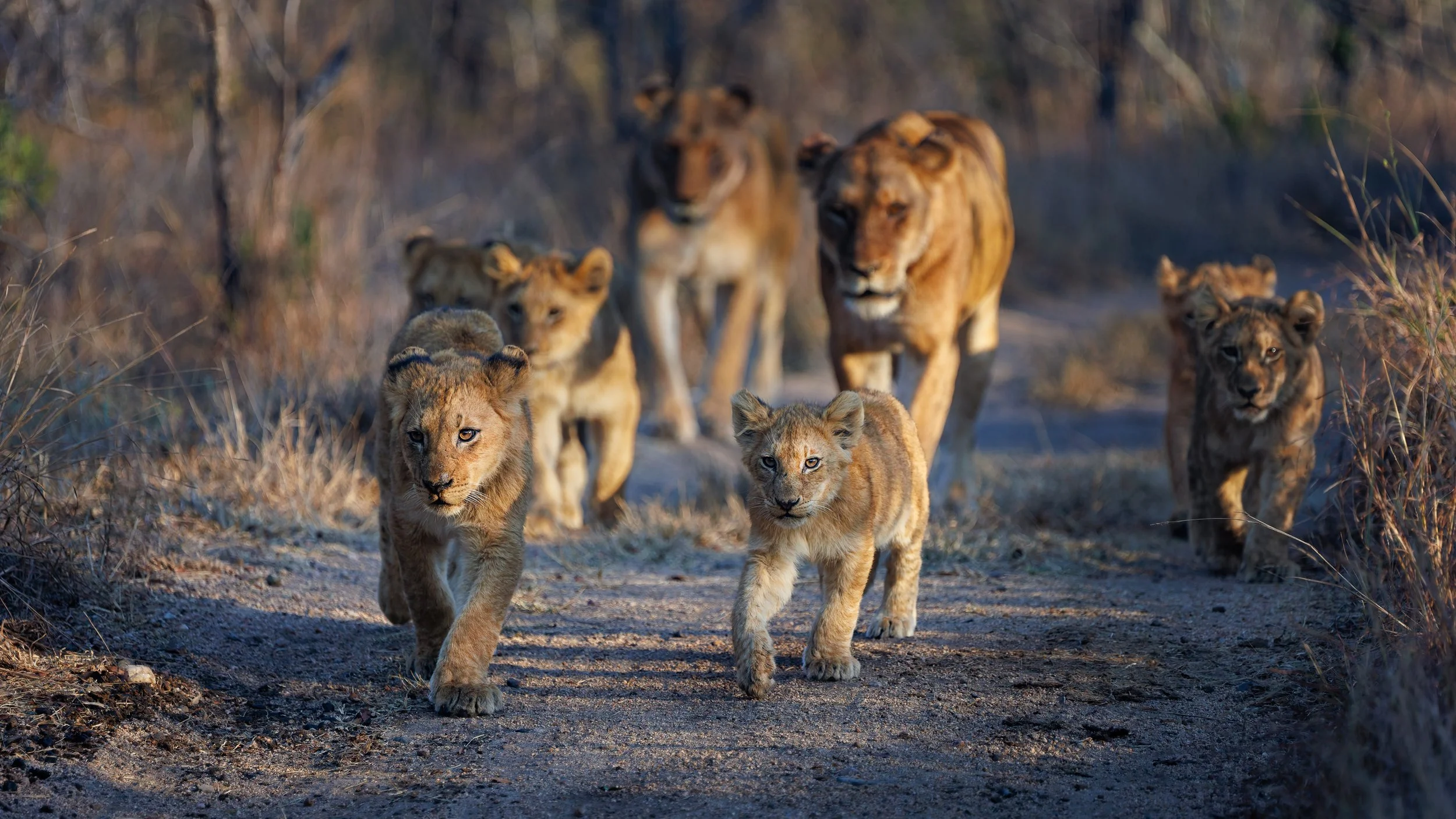
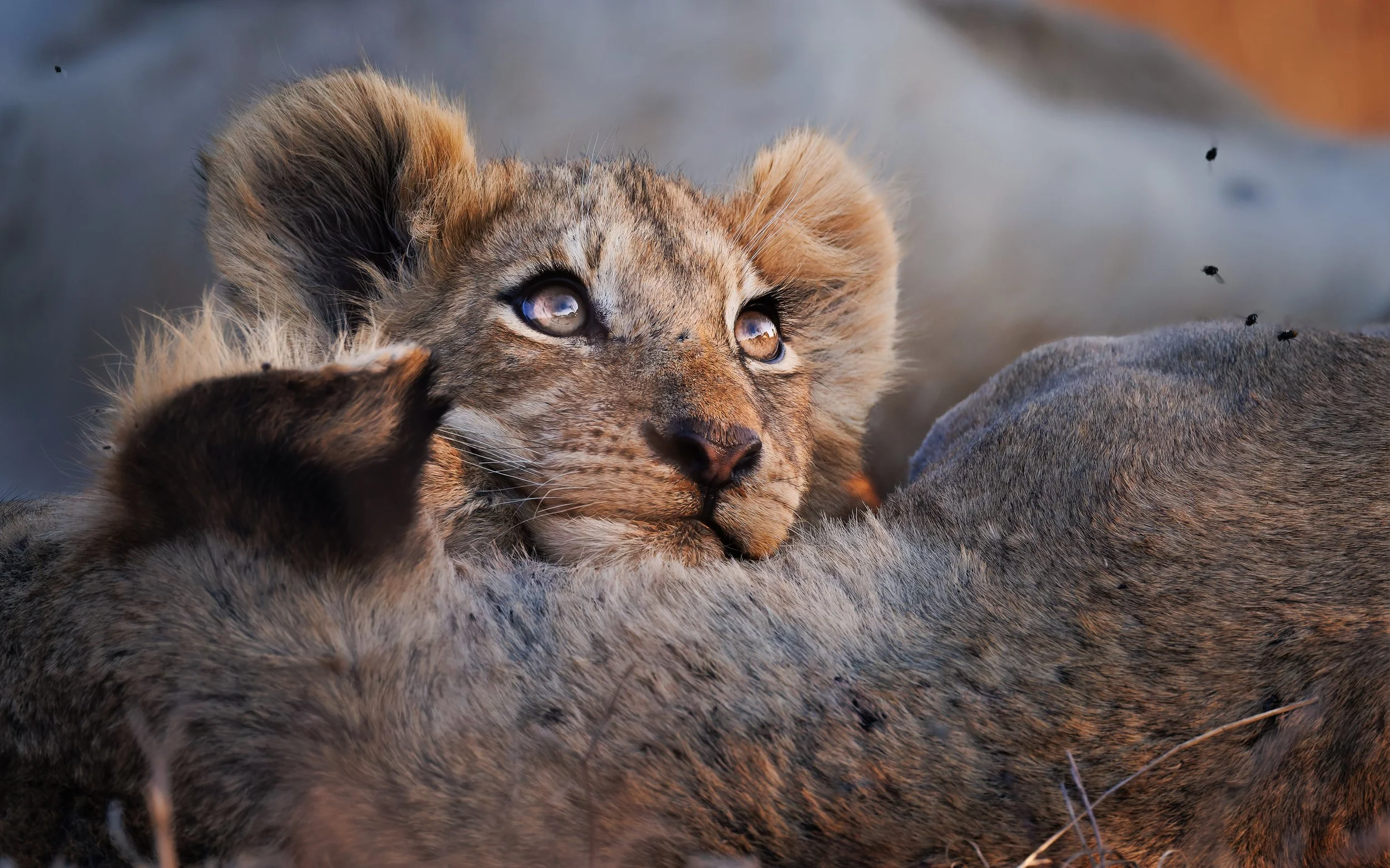
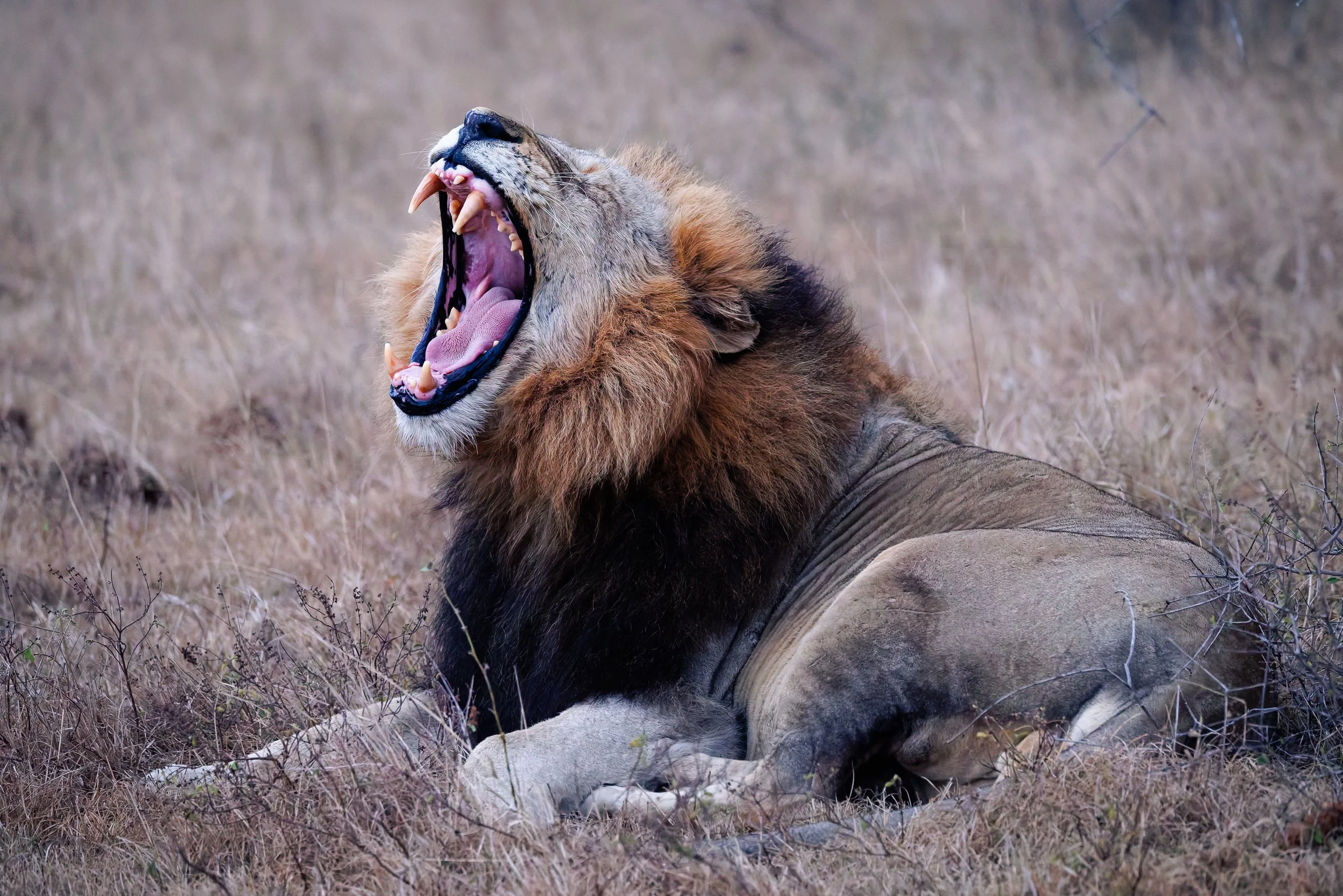
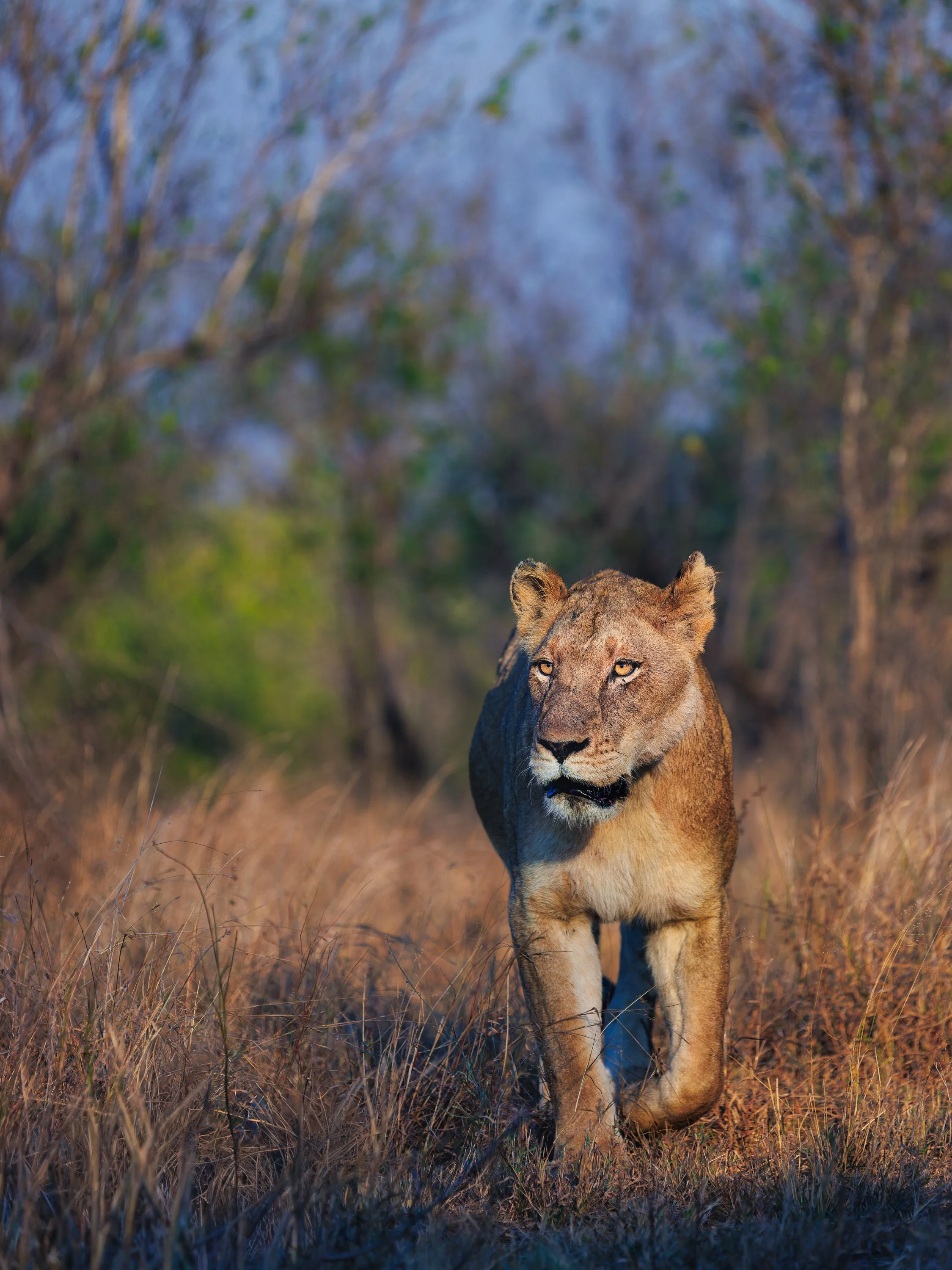
Those two rules almost guarantee a satisfactory predator fix for most photographers. But the predator fix comes with a catch. Lions and leopards dominate sightings in the reserve and even amongst those species, it’s more about the leopards. We had decent lion sightings in the Sabi Sands, but I’ve had equally good lion sightings in the Kruger, while looking for game by myself. Many other places afford photogenic lion sightings, if you give yourself time.
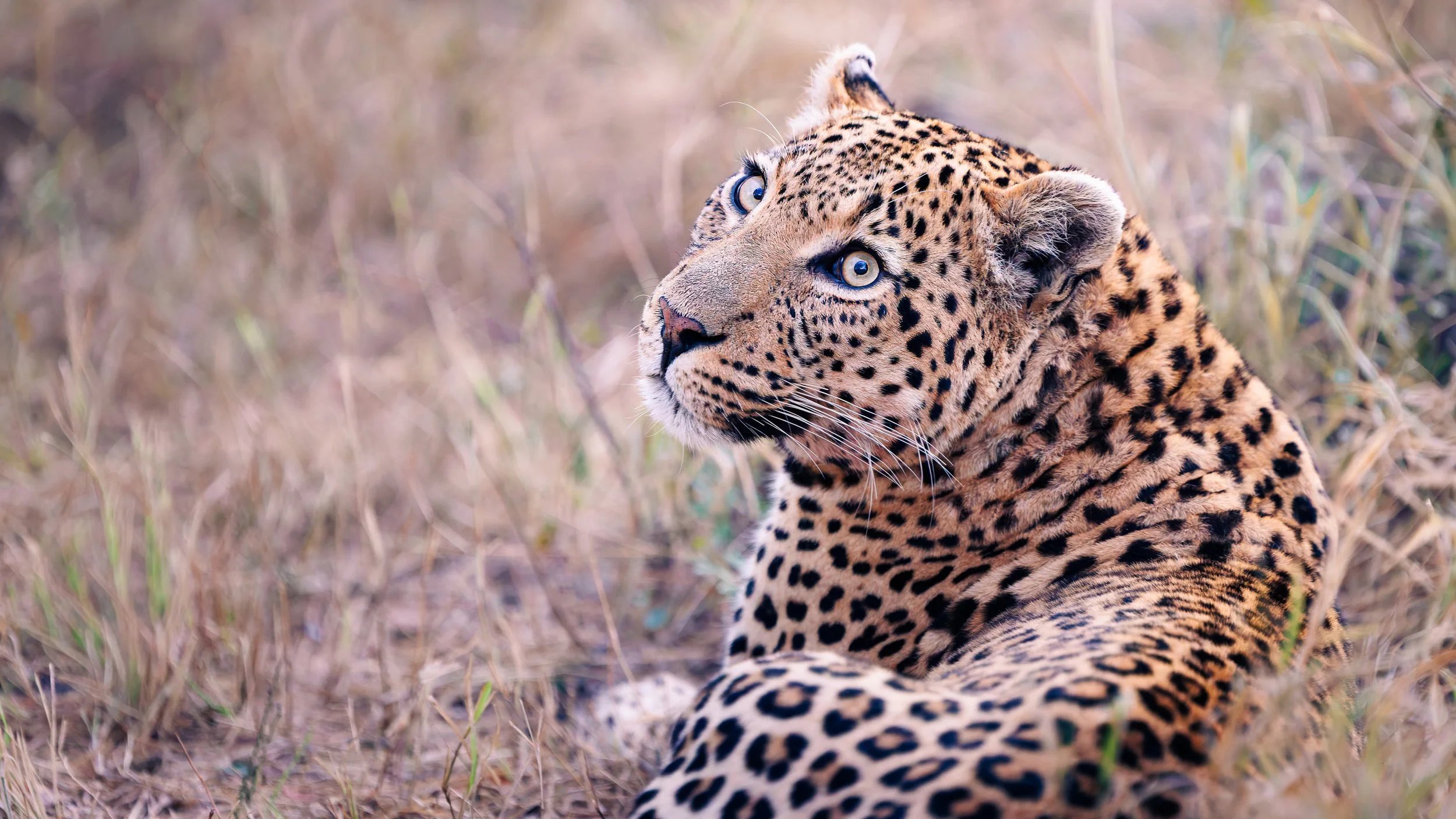
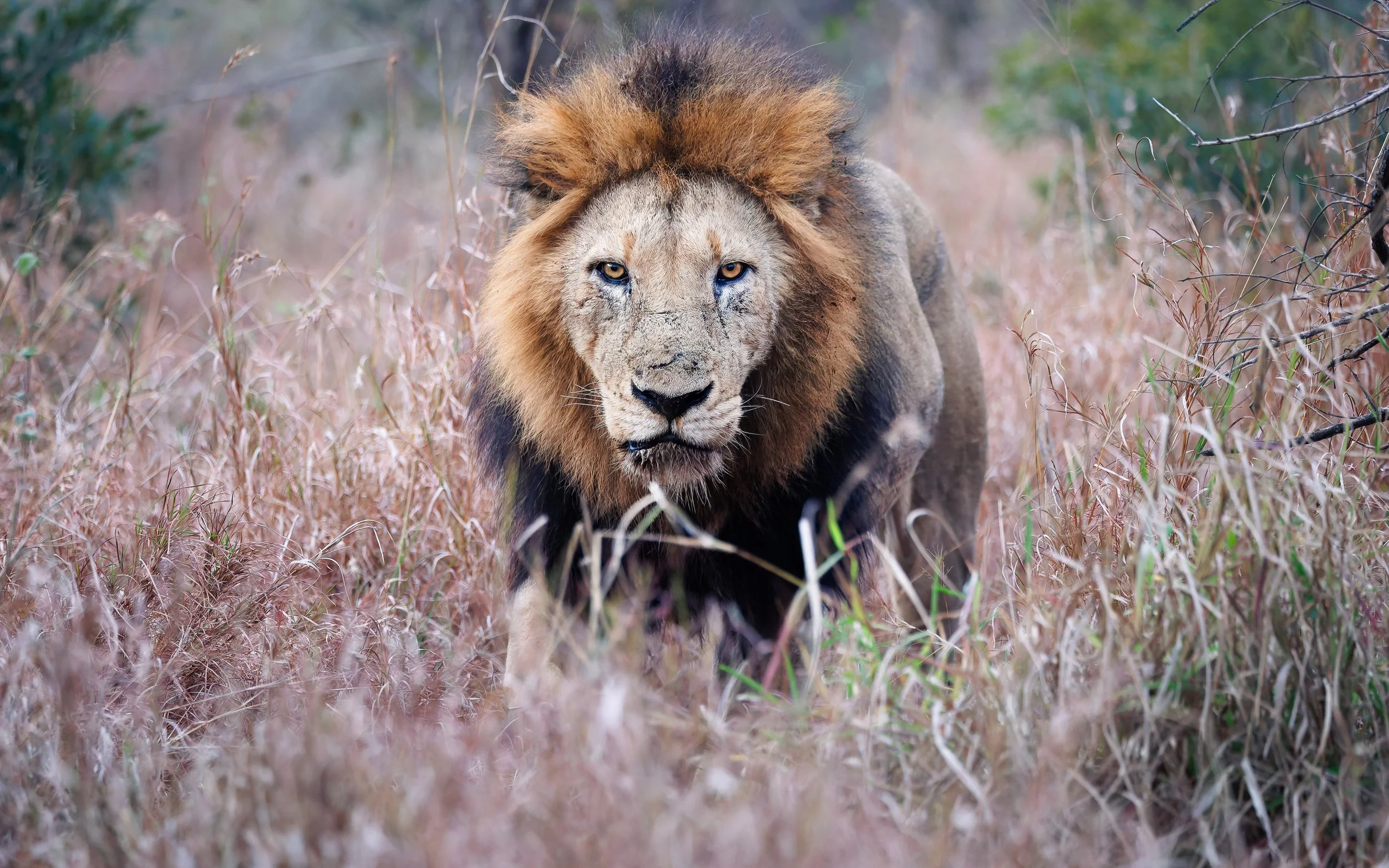
Cheetahs are rare all over Southern Africa and even rarer in the Sabi Sands. These slender felids need large, open plains to hunt, and the thick, bushy habitat of the Sabi Sands doesn’t lend itself to thriving populations of this magnificent but endangered predator.
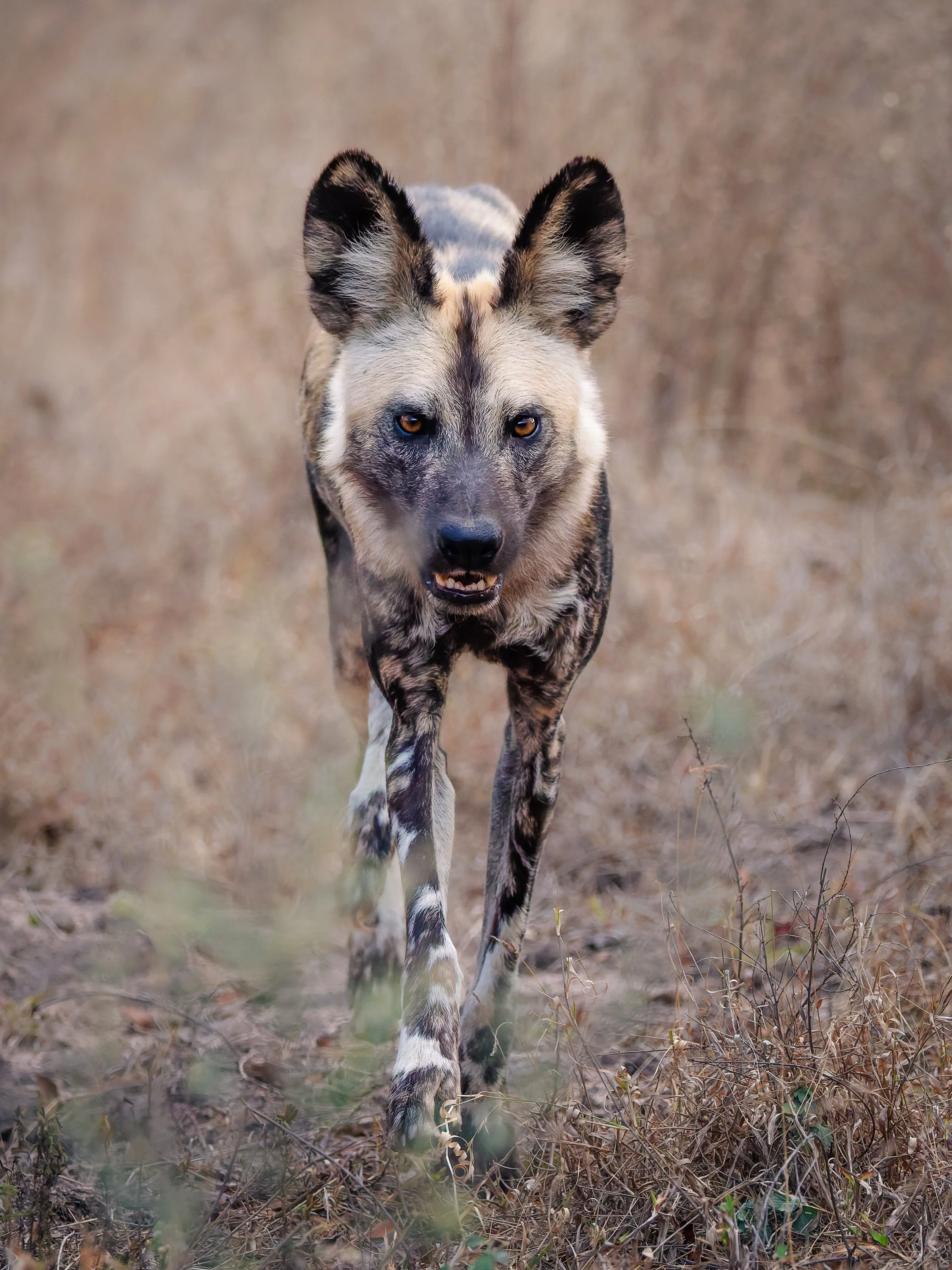
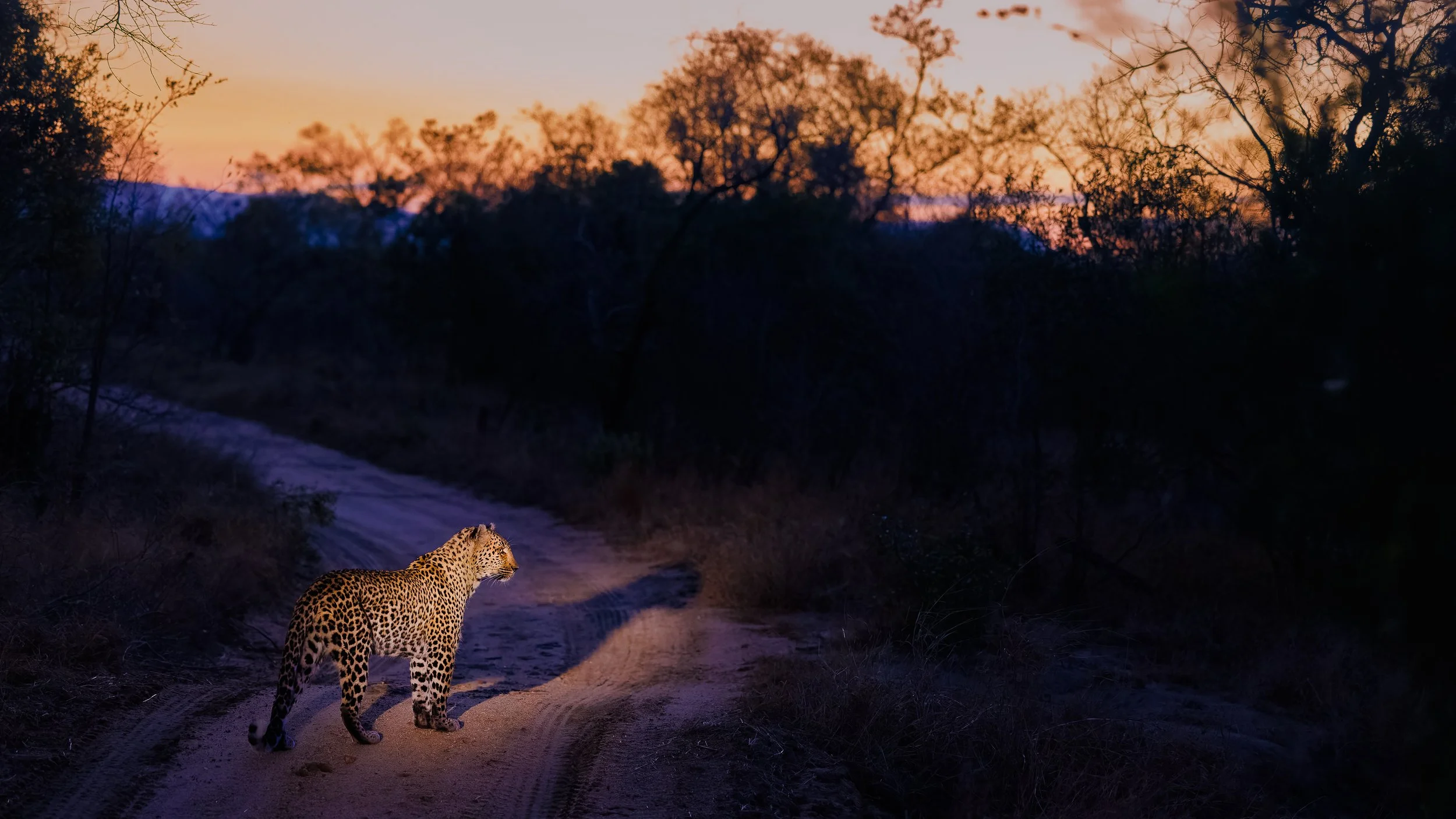
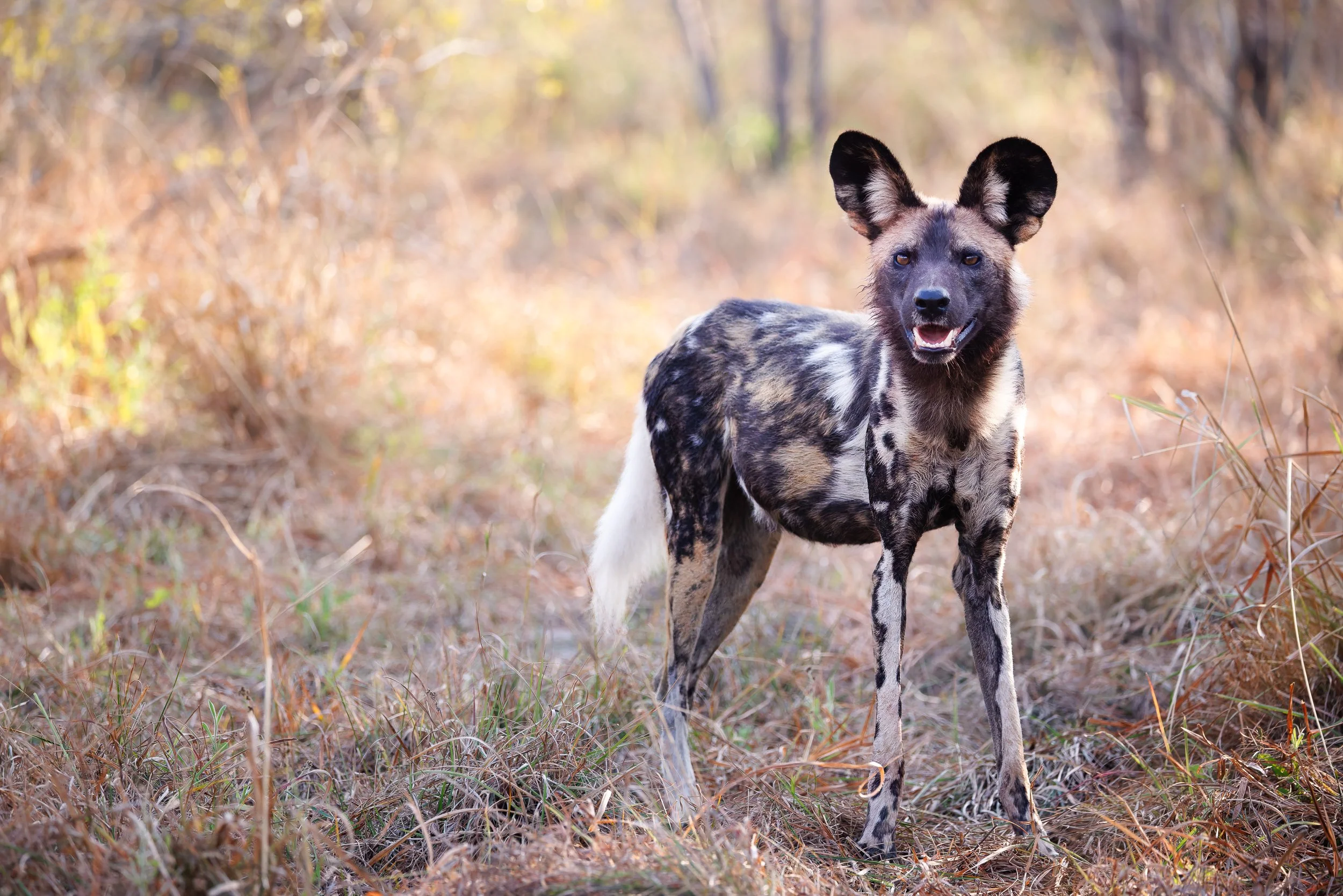
What you won’t get elsewhere is the density of habituated leopards that the Sabi Sands has. Most leopards ignore cars like they’re part of the furniture. And then, there are wild dogs. Now look, it’s going to be hard to beat my best wild dog sighting. Some years back, on the busy roads of Skukuza, I bumped into a pack of 38 wild dogs. The sounds from that pandemonium still echo in my ears. But the Sabi Sands have their own wandering packs. The ability to go off-road and the rules I described above give you a better chance to photograph them at ease. We got three sightings of wild dogs during our six nights, and two were pretty darn good. Think of it as quality time, with fewer vehicles competing for the same sighting.
Don’t ignore the flipside.
Until now, I’ve told you about everything that makes the Sabi Sands such an incredible photography destination. Let me balance the narrative. Nothing about the reserve is cheap. By Indian standards, our safari cost an arm and a leg. For many of us, a trip like this is once-in-a-lifetime.
Also remember, wildlife viewing is all about patience. I’ve followed cheetahs for 11 hours to see them kill. You can’t do that at the Sabi Sands. You have to make way for other vehicles, and your game drives are three hours each, in the mornings and evenings, which limits how much time you can invest in photography.
For example, one morning we found a leopard staking out a warthog (or aardvark) burrow, hoping to raid it for an easy meal. I’d have liked to sit there for hours and watch what happened. Instead, we had to rotate out.
The habitat and rotations also limit the kind of shots you’ll make. When you’re on the open East African plains, you can follow animals over long distances, and you have plenty of angles to make images of active animals. In the Sabi Sands, vehicles often stick with animals that aren’t moving too much. You’ll get plenty of predator viewing, but opportunities to photograph action are limited. Of course, you can still get creative with ultra-close-ups, detail shots, scapes, and portraits, but it’s worth knowing the limitations.
Last, but not least, you must think of the Sabi Sands as a predator safari destination. Yes, there’s other general game, but you’ll spend most of your short game drives focusing on predators. Since the range of habitats is limited, you’ll also see a smaller density and variety of antelope and birds, so in terms of biodiversity, you can’t compete with the national park. Which then brings me to how you should think of the Sabi Sands as a photography destination.
A perfect complement to the Kruger National Park
From south to north, Kruger has so much variety that it rates as one of my favourite wildlife destinations. I suggest spending as long as you can in that park, then top off your Kruger ecosystem portfolio by visiting the Sabi Sands and adding the predator shots you may have missed.
Don’t forget that there’s nothing you can’t achieve with time on task and luck. I once met a chef in Berg-en-Dal. His name is Steve Haley, and he was, if my memory serves me right, on a two-month sabbatical in the Kruger. During his time there, he claimed to have had 80-odd leopard sightings. I didn’t have his luck, but as they say, the harder you work, the luckier you get, and it’s fair to say that Steve worked hard for his sightings.
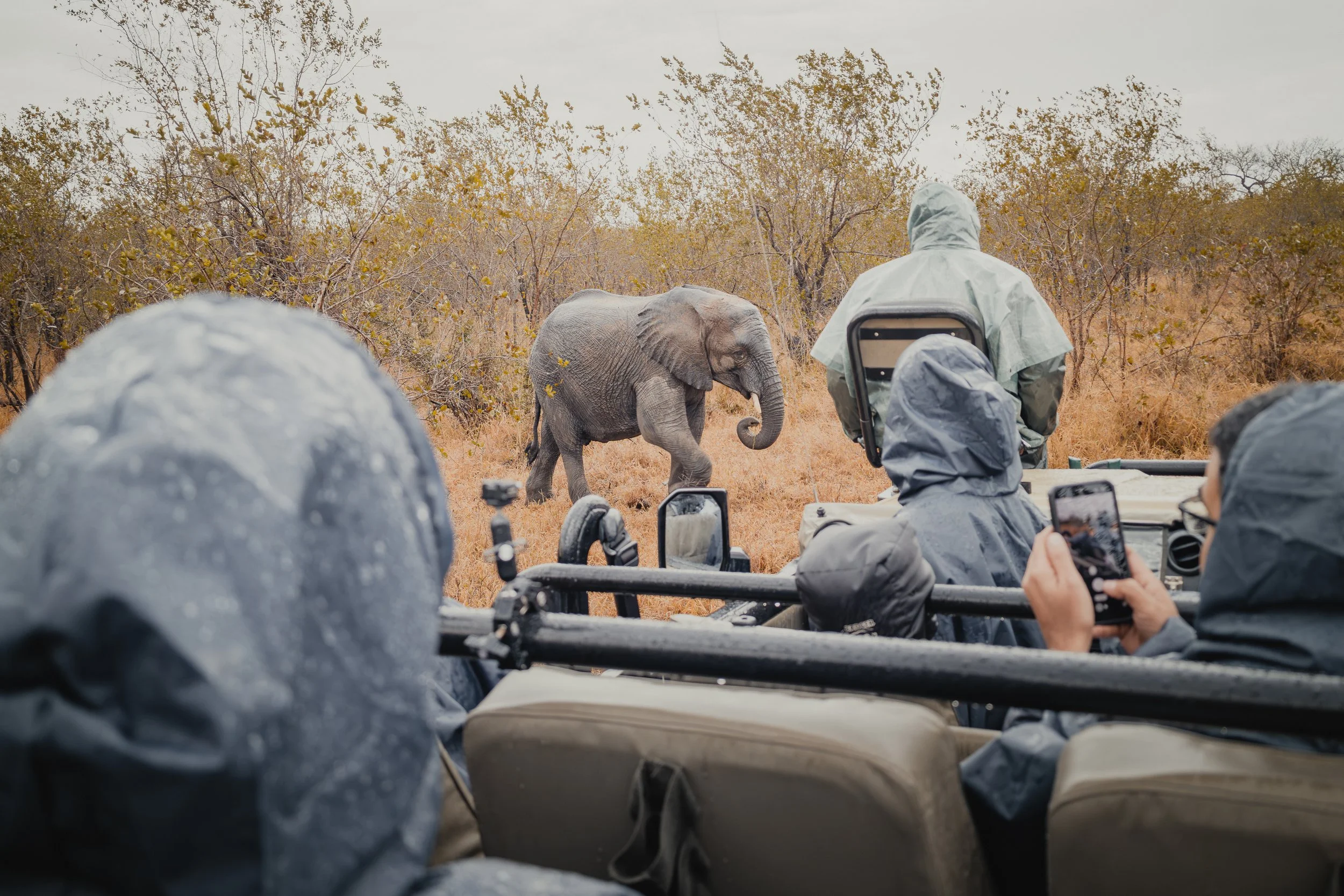
Think of a Sabi Sands safari as a holistic experience you enjoy with friends, family, or both. I found the reserve's habitat management practices eye-opening. I also came away with deep respect for the restraint guides and trackers show in their wildlife viewing and habituation practices. We were once metres from a den with young lion cubs, and we decided to let them be because we felt that was the right thing from an animal-welfare perspective. The quality of guiding, the company you have on the trip, and the hospitality all add up to memories that go beyond the frames you capture.
A few planning tips for the Sabi Sands
Now that I’ve shared my reflections about my Sabi Sands experience, here are some practical notes if you want to plan a photo trip of your own.
If you’re going alone, or as a couple, join a photo tour. The reserve is expensive to visit. If you go alone, you’ll likely join a random group of guests whose interests may not align with yours. As a photographer, you may be better off joining an organised tour, where a skipper like Armand orchestrates the experience to keep it productive for everyone. Rhulani Safaris’ six-night tours are superb value for money, and I feel confident recommending them. The six-night duration also insures you against the odd, slow drives, so even if you’re unlucky in a few sessions, you have enough time in the bush to get a decent set of images.
If you go as a group, book a private vehicle. Having like-minded people in the safari truck elevates your game drives. If you organise your own group of six or more people, I suggest asking your lodge for a private vehicle. It’s worth the extra rand. Mind you, Elephant Plains expects you to pay for eight people to book a private car, so it is pricier than just the room tariffs.
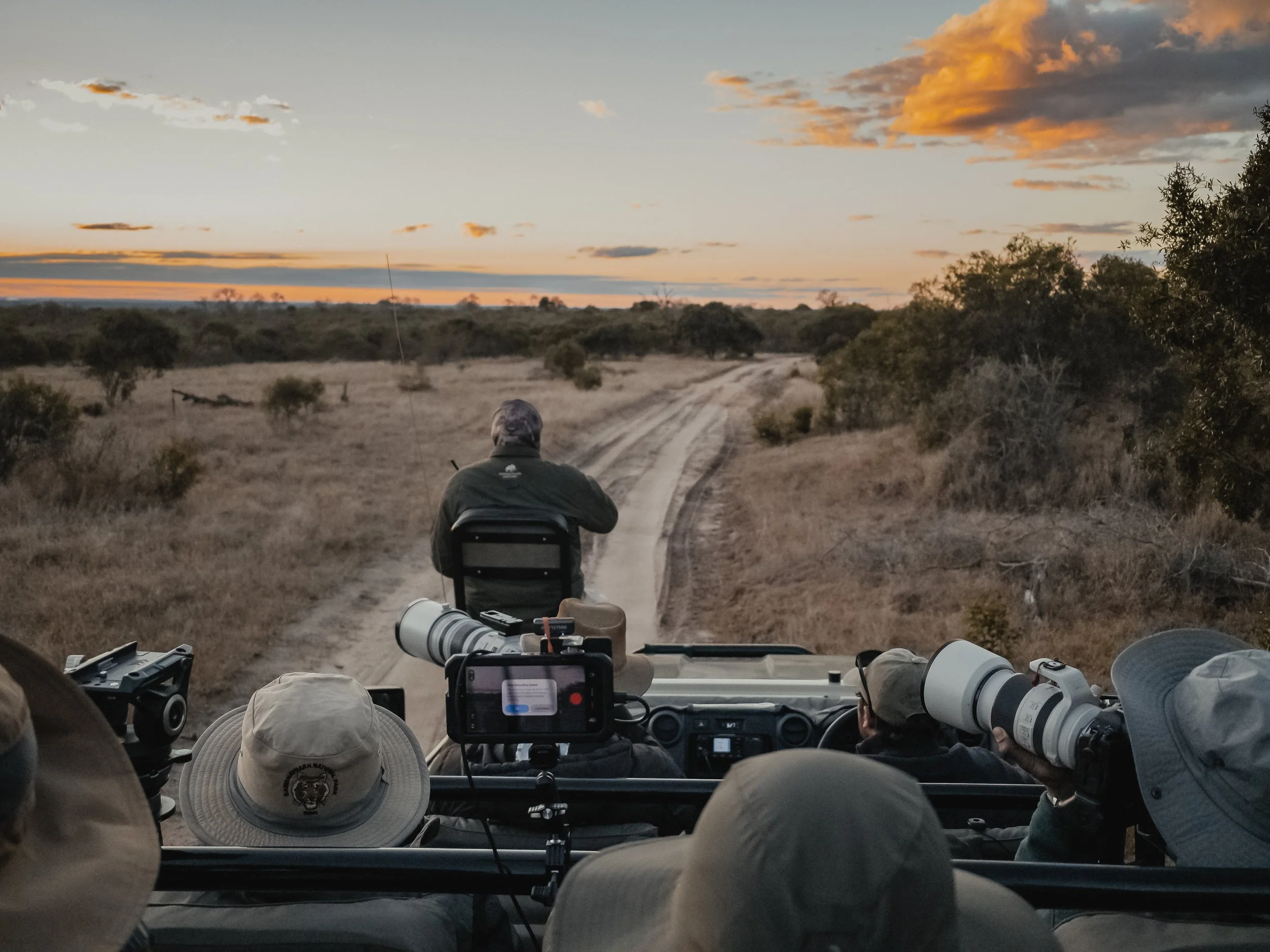
In a self-organised group, limit the number of photographers. Each vehicle has three seating rows, and animals can appear on either side of the car. I recommend one photographer per row. You’ll often have to swap sides for your shots, so it's best to share your row with someone who isn’t also a photographer. A fourth photographer can sit beside the guide, but they must be ready to miss a few shots if the action is on the driver’s side of the car.
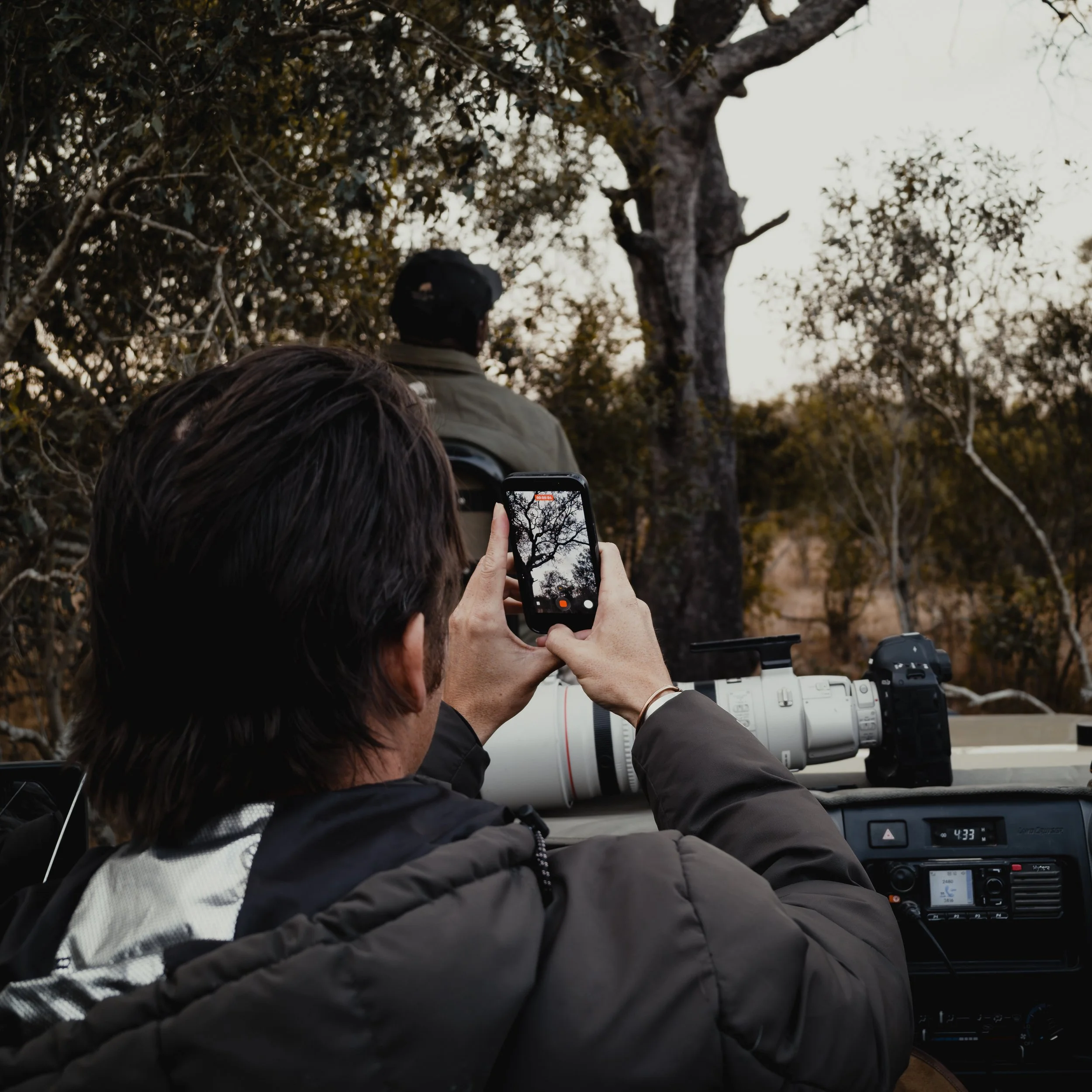
Limit your photo gear. I brought far more gear than I used. Your action will sit within the 70mm to 400mm range. A versatile zoom or two should be plenty, given how close the animal encounters are. The bush is thick, so it’s rare that you photograph across long distances. If you ever need a shorter focal length, I suggest using a capable camera phone. Of course, there’ll always be situations where you’ll appreciate a big prime for birds or a fill flash, or for that matter the dynamic range of an extra full-frame camera. Remember, though, that you’ll share the car with others, so a minimalist kit will keep you quick on your feet and your mind uncluttered.
Prepare for tricky lighting conditions. Spotlit scenes and strange lighting conditions come up often, so set your camera to react fast, whether that means overexposing or underexposing on the fly. For this trip, I set up a bunch of manual exposure modes and exposed most images as far to the right as possible, so I had more latitude when processing the photos.
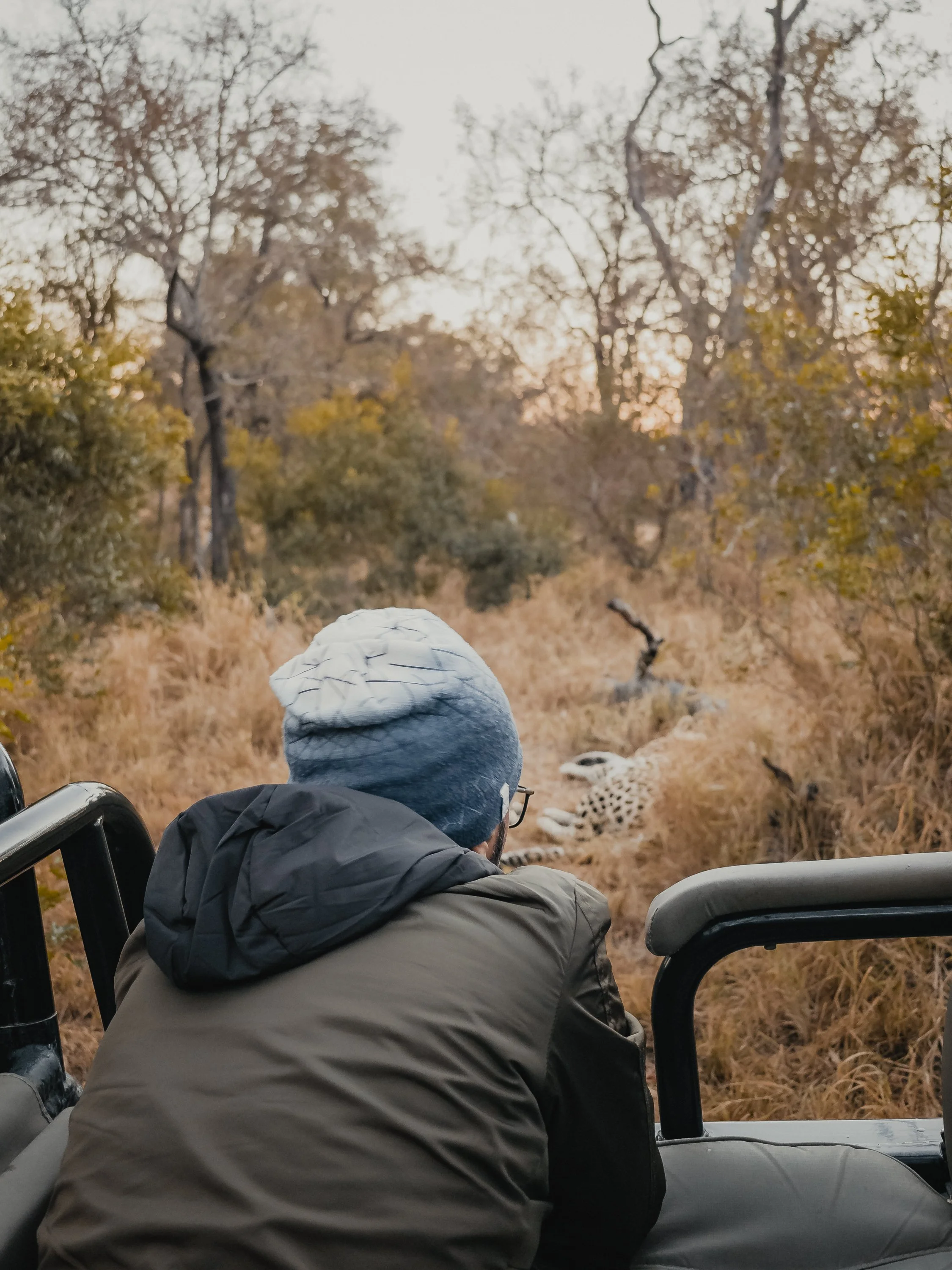
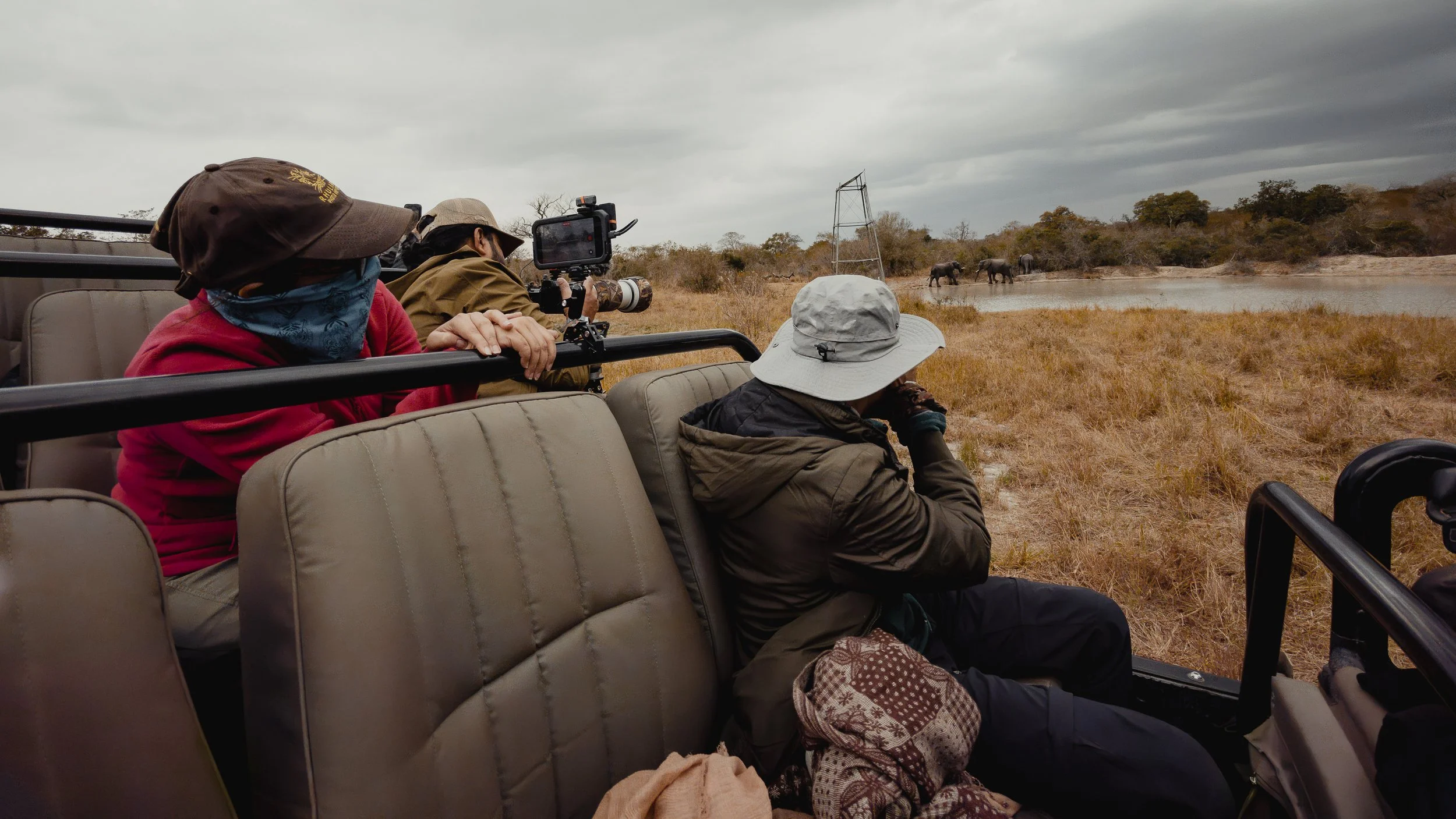
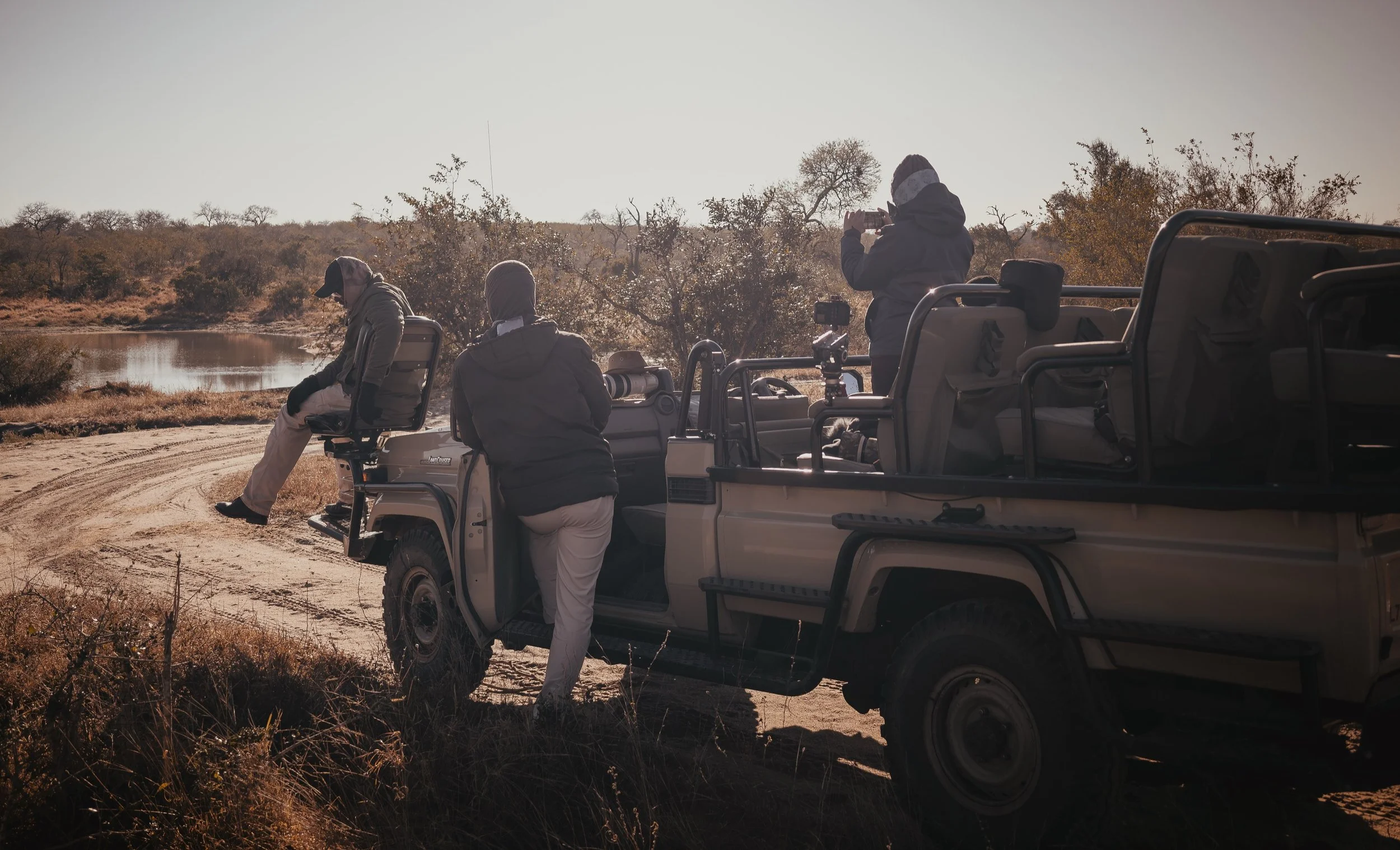
Photograph the in-between moments too. A safari in this ecosystem is as much about the experience with friends, family, your trackers and guides as it is about the animals you’ll see. Capture the behind-the-scenes moments too, and you’ll come home with a fuller story of the trip; not just a gallery of predator images.
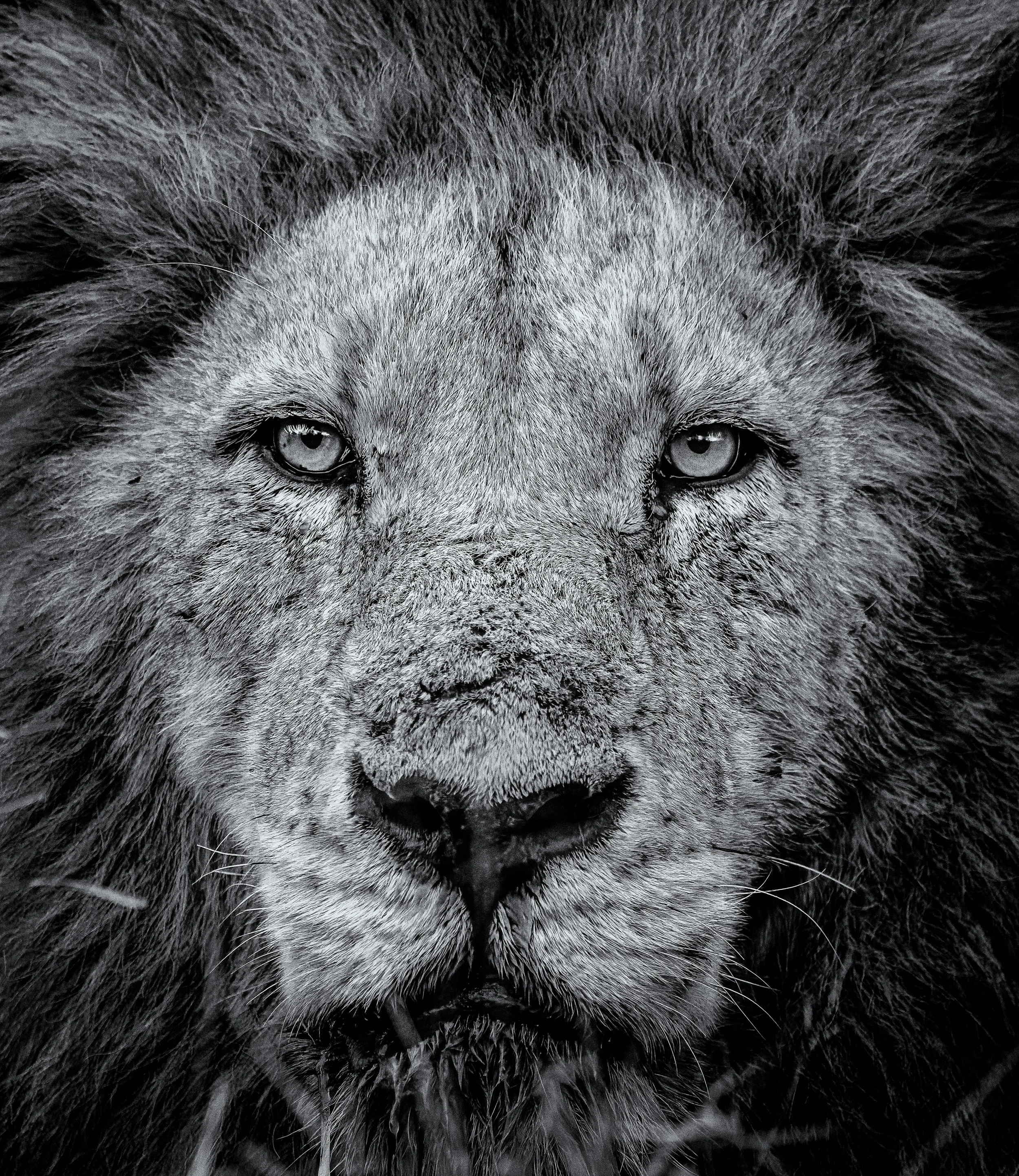
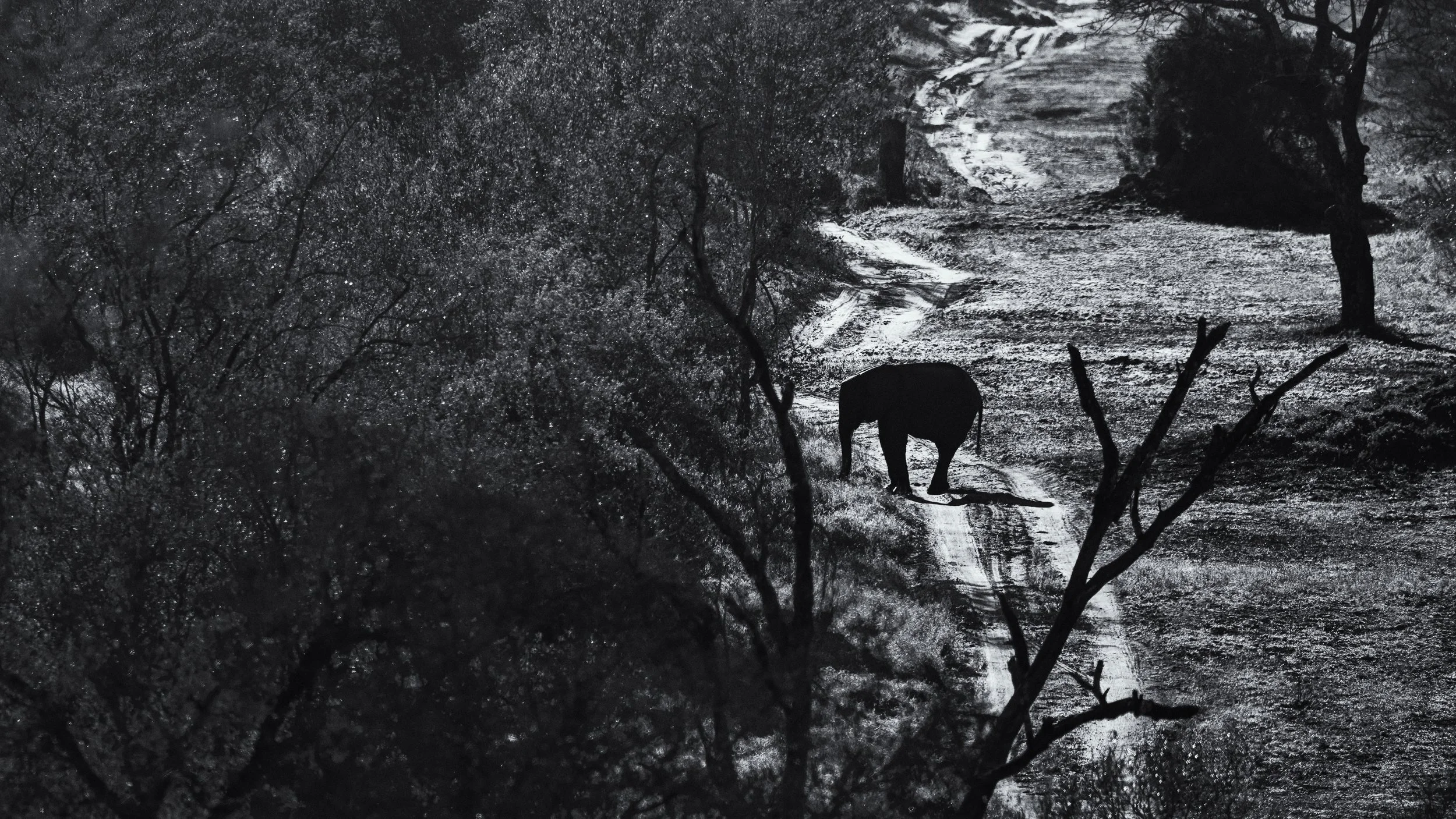
I could argue that my trip to the Sabi Sand Game Reserve was amongst the top three safari experiences of my life. And that’s because it wasn’t just about photography. I got time with my wife, my best friends and my brother-in-law and his wife. Game drives and photography were contrivances to make the experience possible.
I’ll remember the leopards for sure. I can’t forget the wild dogs or the lions, either. But I’ll also remember the braai night, the Amarula-flavoured coffees, enduring a rain-drenched game drive only to be treated to a spectacular rainbow, everyone’s dietary quirks, and the stories, jokes and playful ribbing we shared. Safaris are all about the journey, after all. Some journeys are sweeter because of the company you keep on them.